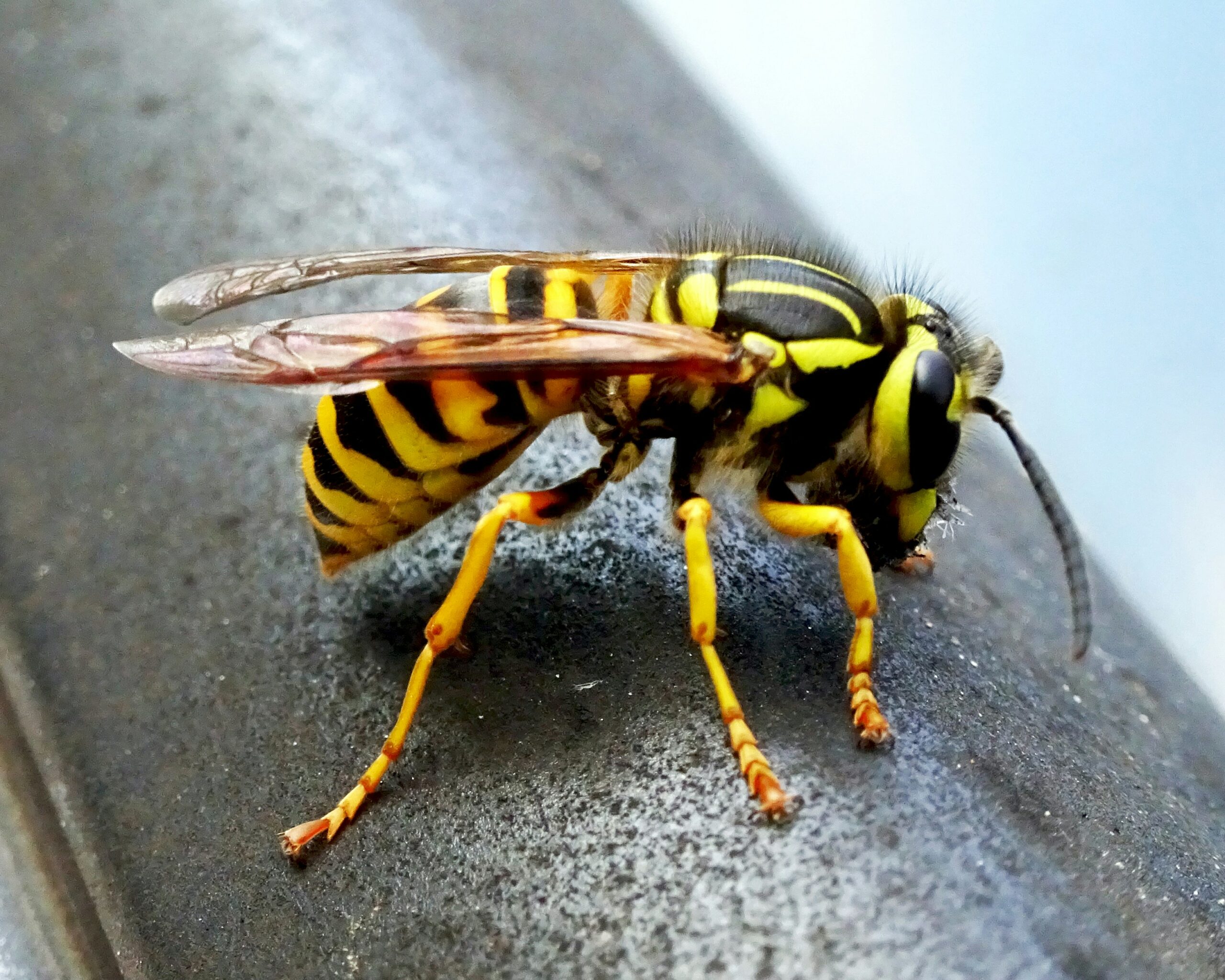
When a yellow jacket sting hurts 12 hours later, it can be unsettling, especially if you expected the pain to disappear within a few minutes. In many cases, continued soreness, itching, redness, or swelling can occur as the body’s inflammatory response continues. Most But in that case, the question really isn’t “does the sting still hurt?”, but rather, “Is the sting response evolving and is the response contained or have it spread to other areas?” This section explains why pain can linger even after 12 hours of the sting, how to tell normal localized reactions apart from serious systemic reactions and when a localized response warrants professional attention, along with facts to help you make the call of whether you need to contact a doctor.
What Happens After a Yellow Jacket Sting?
A yellow jacket injects venom when it stings. Your body responds to that venom by triggering inflammation around the affected area.
That response can produce several familiar symptoms:
- Pain or tenderness
- Redness
- Itching
- Warmth
- Local swelling
“These symptoms do not necessarily disappear as soon as the initial sting stops hurting. Information about insect bites and stings can help explain why localized pain, itching, and swelling may continue for a day or two.”
So, if your yellow jacket sting hurts 12 hours later, the timing by itself does not automatically mean something is wrong.
The pattern matters more than the clock.
Is It Normal for a Yellow Jacket Sting to Hurt 12 Hours Later?
It can be.
Localized reaction to a bee or wasp sting If you’ve just received the sting, you likely have discomfort around the stung area that can extend throughout much of the afternoon or into the next day. Even a local reaction to a bee or wasp sting can be the source of a sting with swelling, itchiness and warmth lasting several hours or even days in some cases as the body’s inflammatory response gets down to business. For instance, a sting occurs in the arm in the afternoon, and 12 hours later, the skin around the site is sensitive to touch, slightly swollen, or just plain awkward as arm muscles movement. Provided symptoms stick to a localized area and improve at a steady rate, this trend may be more reassuring than concerns for a patient struggling with difficulty breathing, blood circulation, or a developing, widespread rash.
The important distinction is between local symptoms and systemic symptoms.
Local reaction
A local reaction is concentrated around the sting. It may include pain, redness, itching, warmth, and swelling.
Systemic allergic reaction
A systemic reaction impacts the body far more broadly than just the sting itself. Potential indications may include widespread hives, the swelling of your face or throat, the loss of the ability to breathe, a feeling of light-headedness, being sick, or losing consciousness – all indications of anaphylaxis that need immediate medical attention.
Why Can the Sting Still Hurt After 12 Hours?
Several factors can contribute to the duration of discomfort.
1. Inflammation is occurring
The body may be having an immunologic reaction to the venom. Inflammation is a normal physiologic response to irritation or infection, but it can cause soreness and swelling.
This suggests that an individual is experiencing the aftermath of the sting, instead of the venom continuing to penetrate.
2. The area has been manipulated
Repeated touching, scratching, rubbing, or pressing on the affected area can cause irritation and lead to more discomfort.
It is especially important not to scratch if the area is itchy, since this can cause additional swelling and damage to the skin.
3. Your body has had an exaggerated local response to the venom
An individual can have a large area of swelling from an insect bite or sting. According to Mayo Clinic, this is considered an allergic reaction to an insect sting.
Symptoms such as pain and large areas of swelling are more severe than a typical localized reaction. This suggests that the swelling may last longer than a small, localized area of redness.
4. The sting site is in an inconvenient location
A sting that occurs on the joints, hands, feet, or another area that is used regularly can cause additional discomfort.
Also, a sting that causes localized swelling can interfere with typical range of motion.
Understanding the 12-Hour Mark
The phrase “yellow jacket sting hurts 12 hours later” can make 12 hours sound like a specific medical deadline.
There is no universal rule stating that a sting should stop hurting exactly 12 hours after it happens. People respond differently, and the severity and location of the reaction matter.
A better question is:
Is the reaction staying localized and gradually settling, or is it becoming more severe or spreading?
That question gives you much more useful information than the exact number of hours.
When Pain and Swelling Are More Concerning
A sting will require greater vigilance if the reactions appear to be more extensive than a local inflammatory reaction. Pay particular attention to the progression of the symptoms-for example, if swelling continues to spread extensively or becomes markedly painful or if the symptoms affect other parts of the body, distant from the sting. Another worrying feature is the onset of symptoms consistent with infection.
The inflammatory response to a sting is an immediate reaction to venom, and its presence needs to be carefully considered, as signs of infection would necessitate medical management.
If, rather than improving steadily, the site of the sting appears to be extremely painful, hot, swelling further and otherwise becoming worse, medical treatment would be indicated.
Recognizing a Serious Allergic Reaction
The most important warning signs involve the airway, circulation, and multiple body systems.
“Stinging insects such as yellow jackets can cause anaphylaxis, a serious allergic reaction that requires immediate medical attention when symptoms affect breathing, circulation, or multiple areas of the body.”
Signs of a reaction include hives, swelling of lips or face, throat swelling, whistling when breathing, shortness of breath, dizziness or passing out, or vomiting or diarrhea.
Emergency symptoms to take seriously
Seek emergency medical help immediately if a person develops:
- Trouble breathing
- Swelling of the tongue, lips, face, or throat
- Difficulty swallowing
- Widespread hives accompanied by other concerning symptoms
- Severe dizziness or fainting
- A weak or unusually rapid pulse
- Significant vomiting or diarrhea together with other allergic symptoms
Do not wait to see whether serious symptoms disappear on their own. Mayo Clinic recommends emergency treatment for suspected anaphylaxis.
Can an Allergic Reaction Happen Hours Later?
Severe allergic reactions usually begin relatively quickly, but delayed reactions can occur. Mayo Clinic notes that anaphylaxis generally develops within minutes, although it can sometimes occur later and, rarely, be delayed for hours.
This is why a person should not assume that the passage of several hours completely eliminates the possibility of an allergic reaction.
At the same time, pain limited to the original sting site after 12 hours is not the same thing as anaphylaxis.
The presence or absence of symptoms elsewhere in the body is an important part of the distinction.
Large Local Reaction vs. Anaphylaxis
These two reactions can sometimes be confused because both may involve noticeable swelling.
| Feature | Local reaction | Possible anaphylaxis |
| Pain | Usually around sting | May occur with broader symptoms |
| Swelling | Mainly near sting | May involve lips, tongue, face, or throat |
| Itching | Usually near sting | May include widespread hives |
| Breathing problems | Not typical | Important warning sign |
| Dizziness/fainting | Not typical | Emergency warning sign |
| Vomiting/diarrhea | Not typical | Can occur with systemic reaction |
| Main concern | Local inflammation | Potentially life-threatening allergic reaction |
This comparison is not a substitute for medical evaluation. If serious allergic symptoms are present, emergency care should not be delayed while trying to categorize the reaction.
What Can You Do for a Mild Local Reaction?
If you experience only mild swelling near the area that was stung, there are some simple remedies you can try to make it feel more comfortable. You can wash your skin with soap and water to help prevent infection and also avoid any scratching or irritation, according to Mayo Clinic. A cool cloth can temporarily numb the pain a teen is experiencing. For some types of non prescription medication, ask your parent or guardian what over-the-counter remedies are available before using without professional advice.
What If the Sting Is Getting Worse Instead of Better?
The direction of symptoms is useful information.
“A reaction that only affects one spot and is decreasing in discomfort is typically less worrying than one that is becoming more painful and swollen, and learning about common skin reactions can help you understand when symptoms may need closer attention.”
You should consult a doctor if you are uncertain if the reaction is normal, if there is a large area of swelling, the symptoms are increasing, or you develop other symptoms.
Do not assume all of the worsening symptoms indicate that an allergy is taking place, either. Other conditions may causes such symptoms.
Why Scratching Can Make Things Worse
Annoying itching. As much as the itch is scratch tempting, which briefly alleviate the urge, will irritate and injure the surrounding skin further. If the epidermis in any open wound to let in microbes this would be in a state more like a secondary bacterial skin infection rather than inflammation, that the venom can bring. Therefore, in view of a doctor would be warranted in if the inflamed changes worsen.
Yellow Jacket Sting on the Face, Mouth, or Throat

Consider sting location. Swelling in the lips, tongue, and throat: This swelling affects the breathing tube (airway). It is a big deal if you also experience difficulty in breathing or swallowing, in addition to swelling of the lips, eyelids, and throat.
TheMayo Cliniclists increased swelling of lips, face, eyelids, or throat, along with shortness of breath as emergency signs after an insect sting.
Call for immediate emergency medical help if these symptoms happen in you.
Why the Type of Insect Matters
These stinging insects, yellow jacket wasp members can sting repeatedly since unlike honey bees, they typically keep stinging a target without leaving their stinger-part. For purposes of your health and wellness, then, the major challenge any yellow jacket sting victim faces comes down to his response, not the precise insect which may possibly get stinging the human being. Some level of local tenderness, for occasion, is typical from most stinging animals. An overwhelming allergic reaction needs instant treatment from no matter source which stung.
Common Mistakes People Make After a Sting
Mistake 1: Judging the reaction only by the clock
There is no universal 12-hour cutoff for pain.
Mistake 2: Assuming all swelling means anaphylaxis
Localized swelling can occur as part of a local reaction. Anaphylaxis involves more concerning systemic symptoms.
Mistake 3: Ignoring symptoms outside the sting area
Breathing difficulty, throat swelling, widespread hives, dizziness, or fainting are much more concerning than isolated soreness.
Mistake 4: Waiting during a suspected emergency
If symptoms suggest anaphylaxis, waiting to see whether they improve is unsafe. Emergency treatment should be sought promptly.
Mistake 5: Repeatedly irritating the skin
Scratching and rubbing can make already irritated skin more uncomfortable and potentially damage it.
A Simple Way to Monitor the Reaction
Instead of repeatedly worrying about whether 12 hours is “too long,” monitor the overall pattern.
Ask:
Where are the symptoms?
Are they confined to the sting or appearing elsewhere?
What symptoms are present?
Is it mainly soreness and swelling, or are there breathing, stomach, circulation, or widespread skin symptoms?
Is the reaction changing?
Is it gradually improving, staying similar, or getting substantially worse?
How does the person feel overall?
Feeling generally unwell with systemic symptoms is more concerning than having a tender spot at the sting site.
This approach is more useful than relying on a single time point.
When to Contact a Healthcare Professional
Medical advice may be appropriate when symptoms are persistent, worsening, unusually extensive, or difficult to interpret.
It is especially important to seek professional guidance if you have previously experienced a serious reaction to an insect sting. A history of anaphylaxis increases the risk of another severe reaction, according to Mayo Clinic.
A healthcare professional can also help determine whether future allergy evaluation is appropriate.
What This Means for Future Stings
For individuals who’ve previously undergone an allergic shock due to an insect sting, any further stings pose a risk. Such individuals may be issued an epinephrine autoinjector as part of a plan of action against insect stings. Some treatments aimed at an individual’s allergies, such as allergy shot therapy can even improve the chance of avoiding severe reactions in the future. In the case of a first-time sting victim who’s never have’ a reaction of this type before, learn signs of an impending problem may offer the greatest value.
Final Takeaway
If a yellow jacket sting hurts 12 hours later, that does not automatically mean there is a serious problem. Local pain, itching, redness, and swelling can persist for a day or two after an ordinary insect sting.
Of equal importance is what else is going on. If the reaction is concentrated and has stabilized and may even be improving, this isn’t the same as swelling that affects your entire face or throat, difficulty breathing, spreading hives, or dizziness, loss of consciousness, or severe stomach distress. If symptoms look anything like anaphylaxis, seek immediate medical attention, don’t just wait out the reaction to resolve itself. Knowing this difference can be immensely less confusing and makes the situation far clearer–it’s less about whether the ticking clock is passing than about what your body is telling you.
FAQs
1. Is it normal if a yellow jacket sting hurts 12 hours later?
It can be normal for local symptoms, such as pain, itching, redness, and swelling, to linger for a day or so after an insect sting.
2. Should a yellow jacket sting still be swollen after 12 hours?
Some swelling can last beyond 12 hours after an insect sting. The concern would be based on additional associated symptoms and whether the swelling is widespread or particularly severe.
3. Can a yellow jacket sting cause an allergic reaction after several hours?
Allergic reactions can sometimes present several hours after a sting. However, severe allergic reactions typically manifest rapidly rather than hours later. Any symptoms that suggest anaphylaxis require emergent evaluation.
4. When is yellow jacket sting pain an emergency?
Localized pain at the site of the sting is typically not the presenting feature of an emergency, although it can be associated with more serious concerns if extreme. True emergencies related to a yellow jacket sting involve signs of anaphylaxis, such as difficulty breathing, swelling of the throat or tongue, loss of consciousness, or severe systemic symptoms.
5. Can a yellow jacket sting get worse before it gets better?
A local reaction to a yellow jacket sting may linger for hours or even a few days. However, any worsening of symptoms or extensive swelling beyond typical local symptoms should prompt medical evaluation.
6. What should I be watching for after a yellow jacket sting?
I would be watching for worsening symptoms, extensive localized swelling beyond the sting site, signs of a severe allergic reaction like widespread hives, difficulty breathing, swelling of the face or throat, dizziness, fainting, vomiting, or diarrhea. The latter two symptoms can sometimes accompany severe allergic reactions and should be taken seriously.
7. Should I go to the doctor if I’m not sure if my symptoms are an allergic reaction or something else?
Yes, if there is uncertainty about the nature of the symptoms or if signs of an allergic reaction are suspected, it is reasonable to seek medical evaluation. This is especially important if symptoms are worsening or are affecting more extensive areas of the body than just the site of the sting.