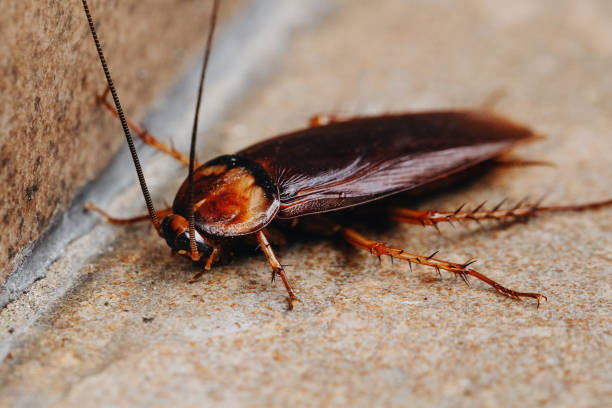
Finding cockroaches in a clean home can be frustrating because cleanliness is only one part of what attracts them. Cockroaches are looking for food, water, warmth and shelter, and even well-maintained homes can provide all four. Small crumbs under appliances, moisture around a sink, condensation, pet food, cardboard storage and tiny gaps around pipes may be enough to support activity.
Different cockroach species also behave differently. Some prefer kitchens and warm appliances, while others are more likely to enter from gardens, drains, roof spaces or neighbouring properties. In apartments and townhouses, shared walls and service ducts can allow movement between residences. This means a recurring problem is not necessarily a sign that the affected household is unhygienic.
The most effective home response is to remove what cockroaches need while also limiting entry points. Wipe spills promptly, store dry food in sealed containers, clean grease from cooking areas and avoid leaving pet food out overnight. Repair dripping taps and inspect under sinks for slow leaks. Vacuuming crumbs from cabinet edges and behind freestanding appliances can remove food from places that are easy to overlook.
Clutter reduction can also help because cockroaches favour narrow, protected spaces. Old cardboard boxes, paper bags and crowded cupboards create harbourage close to food and water. Replacing cardboard storage with easy-to-clean containers and keeping cupboards reasonably open makes inspection easier. Sealing gaps around plumbing, cabinetry and wall junctions can reduce movement, although care should be taken not to seal areas that require ventilation.
Over-the-counter sprays may kill insects that are visible but can miss hidden harbourages or scatter some populations. Baits, residual treatments and insect growth regulators can be more useful when selected and placed correctly. A professional can identify the species and focus treatment on the areas where it is breeding rather than only where individual cockroaches happen to be seen.
Successful pest management usually combines observation, prevention and treatment rather than relying on one quick fix. Keeping the property dry, tidy and easy to inspect can reduce many of the conditions pests use for food and shelter. It also makes new activity easier to spot. When a problem keeps returning, the source, entry route and harbourage should be investigated instead of repeatedly treating only the insects or animals that happen to be visible.
If you would like professional help assessing pest activity or planning treatment, Brisbane Termite & Pest Control can inspect the property and recommend an approach based on the pest, the building and the conditions present. Early attention is especially useful when activity is hidden, recurring or causing damage, because a targeted response can address both the immediate problem and the factors that allowed it to develop
It is also worth monitoring what happens after initial control measures are taken. A noticeable reduction in activity is useful, but occasional sightings do not always mean the treatment has failed because hidden cockroaches and newly hatched young may continue appearing for a period. Keep food and water sources controlled, avoid spraying over professional bait placements, and note where new activity occurs. If cockroaches remain concentrated around one appliance, cupboard or wet area, that pattern can point to a harbourage that needs further attention. Consistent sanitation and targeted follow-up are usually more effective than repeatedly changing products whenever a cockroach is seen..