Steping out onto your patio or deck only to be swarmed by buzzing insects is frustrating.If you’ve found yourself asking, “Why are there so many flies in my yard?” you’re not the only one dealing with this problem. High fly populations around residential outdoor spaces are extremely common, especially during warm weather months.
To solve an infestation, you must look beyond short-term fixes like bug sprays or electric zappers. Understanding why are there so many flies in my yard requires analyzing the specific attractants, breeding sites, moisture sources, and environmental conditions that turn an ordinary lawn into a haven for pests.
Quick Reference: Identifying Common Yard Flies and Attractants
Different fly species are drawn to different environmental sources. Identifying which pest is dominating your outdoor space helps answer why are there so many flies in my yard:
| Fly Type | Visual Characteristics | Primary Outdoor Attractant | Typical Breeding Site |
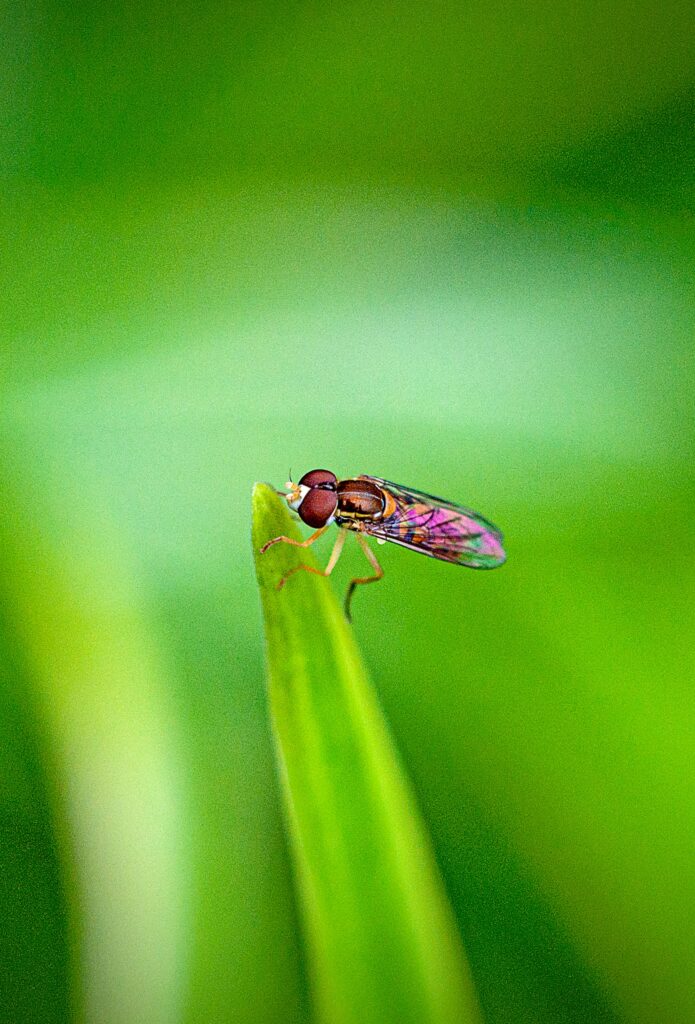
| House Fly | Medium gray body, 4 dark thorax stripes | Food waste, pet feces, decaying garbage | Warm, moist organic matter |
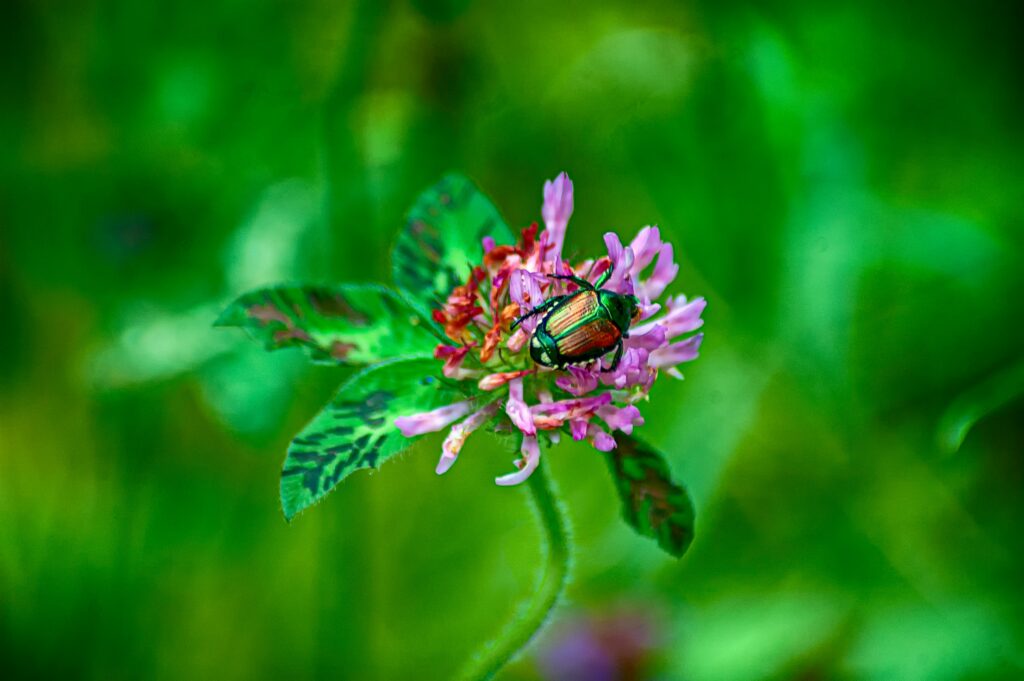
| Blow Fly / Bottle Fly | Metallic blue, green, or bronze sheen | Animal carcasses, feces, rotting meat | Decaying flesh, high-protein waste |
| Fruit Fly | Tiny, tan/brown body with red eyes | Overripe fallen fruit, fermenting compost | Moist organic residue, compost heaps |
| Drain / Filter Fly | Small, fuzzy, moth-like wings | Stagnant water, slimy organic buildup | Clogged yard drains, bird baths |
| Cluster Fly | Slightly larger than house flies, golden hairs | Sun-warmed exterior walls | Parasitizes earthworms in soil |
| Stable Fly | Resembles house fly, pierces skin to bite | Livestock, decaying vegetation, grass piles | Damp, fermenting straw or mulch |
1. Animal Waste and Pet Droppings
The most frequent answer to why are there so many flies in my yard is uncollected pet waste, which can create ideal conditions for fly breeding sites.
┌──────────────────────────────────────────────────────────────────────────┐
│ PET WASTE & FLY BREEDING CYCLE │
├──────────────────────────────────────────────────────────────────────────┤
│ │
│ [Uncollected Pet Waste] ──► Emits Strong Odor Compounds (Ammonia/Skatole)│
│ │ │
│ ▼ │
│ [Adult Fly Attraction] ──► House & Blow Flies Attracted Within Minutes│
│ │ │
│ ▼ │
│ [Egg Deposition] ──► Female Lay 75–150 Eggs Per Batch in Waste │
│ │ │
│ ▼ │
│ [Rapid Development] ──► Eggs Hatch into Larvae (Maggots) in 8–24 hrs│
│ │
└──────────────────────────────────────────────────────────────────────────┘
Dogs, cats, livestock, or local wildlife dropping waste in your lawn create an ideal environment for house flies and blow flies. Female flies are drawn to the volatile organic compounds emitted by feces. A single pile of dog waste left on the lawn can host hundreds of fly eggs, which hatch into larvae (maggots) in as little as 8 to 24 hours during hot summer weather.
2. Garbage Cans, Compost Bins, and Rotting Food Waste
If you wonder why are there so many flies in my yard around your patio, kitchen exit, or alleyway, outdoor garbage receptacles are usually the culprit and can attract house flies around garbage cans.
- Unsealed Trash Bins: Standard outdoor trash cans lacking tight-fitting lids leak odors of decomposing food, attracting flies from hundreds of yards away.
- Liquid Leaks (“Trash Juice”): Organic liquids pooling at the bottom of bins create nutrient-rich sludge where flies breed continuously.
- Improperly Managed Compost: Open compost piles containing meat, dairy, or unburied food scraps invite swarms of fruit flies, blow flies, and house flies.
3. Standing Water and Excess Lawn Moisture
Controlling moisture is crucial when determining why are there so many flies in my yard. Flies require high humidity and standing water to prevent their eggs from drying out.
┌──────────────────────────────────────────────────────────────────────────┐
│ YARD MOISTURE & FLY SPECIES │
├─────────────────────────┬────────────────────────────────────────────────┤
│ MOISTURE SOURCE │ PRIMARY FLY SPECIES ATTRACTED │
├─────────────────────────┼────────────────────────────────────────────────┤
│ Clogged Gutters │ Mosquitoes, Drain Flies, Phorid Flies │
│ Overwatered Lawn / Turf │ Fungus Gnats, Stable Flies │
│ Unmaintaned Bird Baths │ Drain Flies, House Flies │
│ Poorly Drained Low Spots│ Blow Flies, Midges │
└─────────────────────────┴────────────────────────────────────────────────┘
Overwatering your lawn, leaving bird baths uncleaned, or allowing puddles to collect in low spots creates ideal breeding grounds for midges, fungus gnats, and drain flies.
4. Fallen Fruit and Decaying Vegetation
Decaying plant matter provides a steady source of sugar and moisture for various insects.
If you have fruit trees (such as apple, peach, citrus, or fig) or vegetable gardens, fallen, rotting fruit ferments on the ground. This fermentation produces ethanol and acetic acid, which act as powerful chemical lures for fruit flies and filth flies. Furthermore, dense piles of decaying lawn clippings or damp leaf mulch generate internal heat as they decompose, creating warm nurseries for stable flies.
5. Dead Animals or Rodent Carcasses
When asking why are there so many flies in my yard and noticing metallic green or blue blow flies (Calliphoridae) clustering near deck boards, shed foundations, or bushes, a hidden animal carcass is often nearby.
Blow flies specialize in locating dead animal tissue. A dead squirrel, bird, mouse, or rabbit hidden under a deck or inside a wall cavity will draw dozens of metallic flies within hours. The female flies lay eggs directly on the carcass, producing a fresh hatch of adult flies within a week.
6. Proximity to Neighboring Attractants or Farm Property
Sometimes the true answer to why are there so many flies in my yard lies beyond your property lines.
Flies are strong flyers and can travel anywhere from 1 to 5 miles in search of food and breeding sites. If your home is located near a commercial farm, horseback riding facility, restaurant dumpster, or a neighbor who does not clean up after their pets, adult flies will routinely migrate into your yard looking for resting surfaces.
7. Overarching Weather and Seasonal Temperature Spikes
Summer heat plays a massive role in explaining why are there so many flies in my yard during July, August, and September, especially when common household pests become more active.
High Summer Temperatures (85°F–95°F) ──► Accelerated Metabolic Rate ──► Egg-to-Adult Fly Cycle Drops from 21 Days to Just 7 Days
Flies are cold-blooded insects whose metabolic rates depend on ambient environmental temperatures. In cool spring weather, a house fly takes about 20 to 25 days to develop from egg to adult. In mid-summer heat, that entire life cycle shrinks to just 7 to 10 days, causing local fly populations to explode exponentially.
Step-by-Step Fly Elimination and Prevention Plan
If you want to stop asking why are there so many flies in my yard and reclaim your outdoor living space, implement this step-by-step pest control protocol:
1.Step 1: Conduct a Thorough Sanitation Sweep:Source Elimination.
Inspect your lawn daily and immediately remove pet waste, fallen fruit, decaying garden debris, and trash scraps. Seal garbage inside heavy-duty trash bags before placing them in outdoor cans.
2.Step 2: Clean and Seal Outdoor Trash Cans:Receptacle Hygiene.
Wash outdoor trash bins with dish soap and water, adding a cup of bleach or white vinegar to eliminate lingering decomposition odors. Ensure all bin lids close tightly with no gaps.
3.Step 3: Eliminate Standing Water and Fix Drainage:Moisture Management.
Clean out clogged roof gutters, dump out stagnant water in plant saucers or buckets, and change bird bath water twice a week to disrupt egg laying.
4.Step 4: Deploy Strategic Traps Away From Living Areas:Targeted Trapping.
Hang odor-based fly traps or sticky traps along the outer perimeter of your yard, at least 20 to 30 feet away from your patio or seating area. This lures flies away from where you gather rather than pulling them toward your living space.
Summary and Key Takeaways
To review why are there so many flies in my yard:
- Pet Waste: Uncollected dog or animal feces acts as the primary breeding site for house and blow flies.
- Garbage & Compost: Unsealed trash bins and exposed food scraps attract flies from miles away.
- Moisture & Standing Water: Clogged gutters and overwatered lawns nurture fly larvae.
- Fallen Fruit & Mulch: Fermenting fruit and warm grass clipping piles feed and shelter pest swarms.
- Hidden Carcasses: Metallic green or blue bottle flies indicate a dead animal nearby.
- Summer Heat: High temperatures compress the fly life cycle from weeks into days, causing sudden population spikes.
By practicing strict yard sanitation, eliminating excess moisture, and placing traps along your property line, you can dramatically cut down fly numbers and enjoy your yard comfortably.