A dead or dying battery is never a good news for the owner of a carWhether your battery has been drained by leaving the headlights on, extended vehicle storage, oWhether the battery has been drained by leaving the lights on, cold weather, or simply due to age, one of the first questions most drivers ask is, “How long does it take to charge a car battery? One of the first questions that come to mind is usually how long it takes to charge a car batter y. It is determined by several factors such as a battery’s initial state of charge, condition, and the type of charger that is used.
While most batteries are designed to be charged multiple times before going bad, it is still important to know the right way of charging to maximize the battery’s potential lifespan. It is necessary to avoid fast charging methods and the wrong type of chargers to prevent damaging the battery.
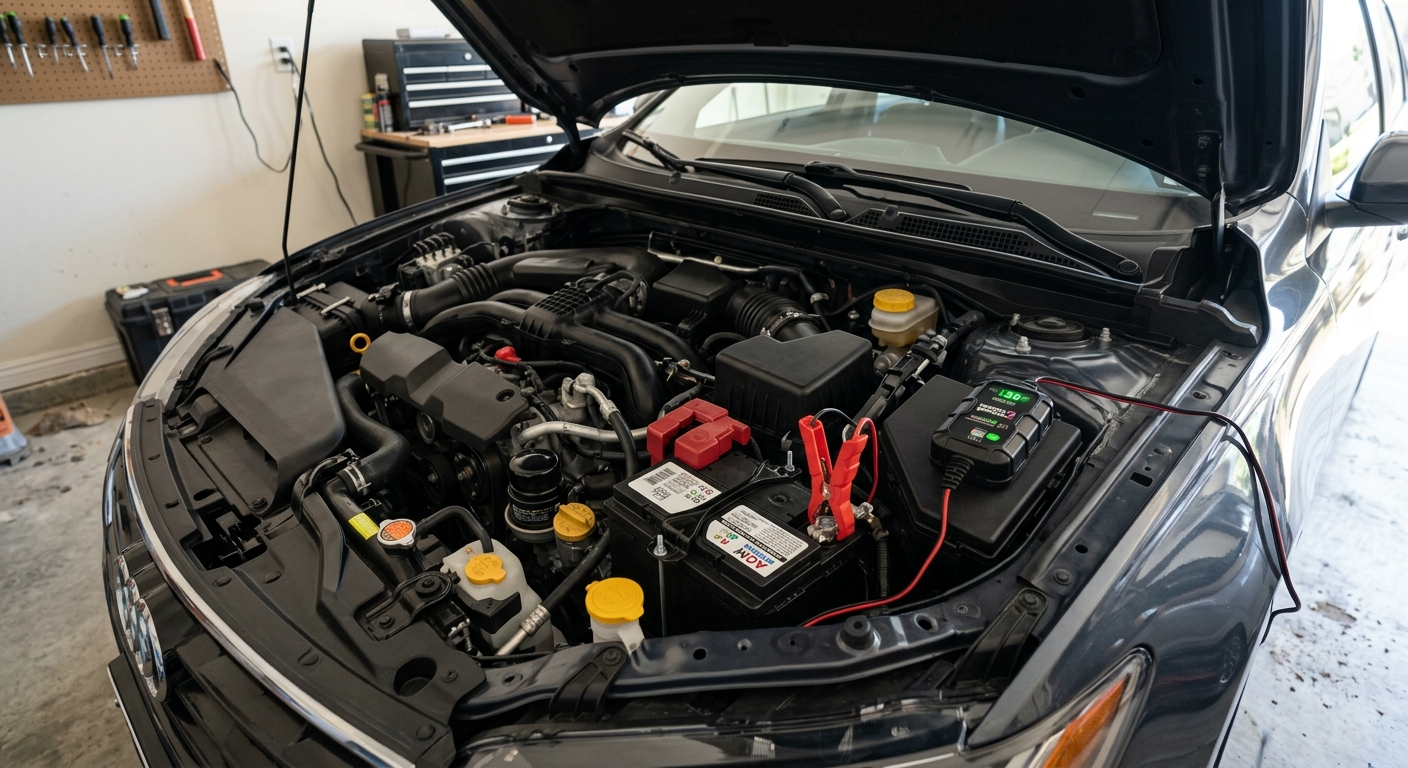
Understanding how long does it take to charge a car battery is essential to picking the right method and reducing the risks to the car’s electrical system. Charging a car battery with a smart charger, trickle charger, or using the alternator after a jump-start all have their characteristics and peculiarities.
This guide explains how long does it take to charge a car battery, explores different charging methods, and discusses how each one affects battery performance and lifespan.
Why Charging Time Varies
There is no single answer to how long does it take to charge a car battery because every charging situation is different. Two vehicles with similar batteries may require very different charging times depending on their condition and how much power has been lost.
Several important factors influence charging speed:
- Battery capacity
- Current state of charge
- Battery age
- Charger output
- Battery condition
- Ambient temperature
For example, a battery that has only lost a small amount of charge will recover much faster than one that has been completely discharged.
Factors That Affect How Long It Takes to Charge a Car Battery
Understanding these factors helps explain why charging times vary so much.
Battery Capacity
Although all but all standard passenger cars have a 12-volt battery, the battery capacity of the battery varies. The battery that has a higher amp hour capacity holds more energy but typically needs a longer time to get fully charged.
If you drive a small sedan, its battery might not need as much time to recharge as a car or SUV with a larger engine.
Battery’s State of Charge
The amount of remaining charge is one of the biggest factors when asking how long does it take to charge a car battery.
If your battery has not discharged fully it may take a few hours with the appropriate charger; however, it could take much longer to charge a fully depleted battery. Patience can be very useful if the battery has run flat: often a slower charging speed is safer and easier on the battery than pushing it with the highest wattage charger.
Charger Output
Battery chargers are available in several power ratings.
Lower output chargers provide electricity at a much slower rate, but can sometimes treat a battery more gently. Higher output chargers can charge a battery more quickly and at higher amperage but care should be taken and the manufacturer’s instructions should be followed, as the risk of over-charging the battery increases with faster chargers. Smart chargers change the rate at which power is sent to the battery as it becomes fuller, which also acts as a fail-safe against over-charging.
Battery Age and Health
Lower output chargers provide electricity at a much slower rate, but can sometimes treat a battery more gently. Higher output chargers can charge a battery more quickly and at higher amperage but care should be taken and the manufacturer’s instructions should be followed, as the risk of over-charging the battery increases with faster chargers. Smart chargers change the rate at which power is sent to the battery as it becomes fuller, which also acts as a fail-safe against over-charging.
When evaluating how long does it take to charge a car battery, battery health should always be considered alongside charging time.
Temperature
Charging is also affected by charging conditions The lower temperatures inside a battery lead to a slower pace of chemical reaction and a slightly longer charge. Very high temperatures can degrade charge and battery life because of excessive charging time of hot battery. When feasible, use cool, dry and well-ventilated space for charging the battery.
Types of Car Battery Chargers
The charger you use has a major impact on both charging time and battery health.
Trickle Chargers
Trickle chargers provide a very low charging current over an extended period.
Although this method takes longer, it is ideal for maintaining batteries in vehicles that are stored for weeks or months. Many classic car owners use trickle chargers to keep batteries healthy without overcharging them.
Smart Chargers
Smart chargers automatically monitor battery voltage and adjust charging speed throughout the charging cycle.
These chargers improve safety, reduce the risk of overcharging, and often provide the best balance between charging speed and battery protection.
For many drivers wondering how long does it take to charge a car battery, a smart charger is one of the most efficient and reliable solutions.
Fast Chargers
Speedy Chargers Supply higher current that allows your battery time to recharge the soonest possible. Speedier Recharges are ideal within times of emergency. Using such chargers too regularly creates additional warmth and adds the additional anxiety on your battery life. It really is preferable saved to times when it truly is absolutely important to be able to charge up as quickly as it is.
Signs Your Battery Needs Charging
Sometimes the need for charging becomes obvious before the battery completely fails.
Common warning signs include:
- Slow engine cranking
- Dim headlights
- Dashboard battery warning light
- Electrical accessories working poorly
- Clicking sound when turning the ignition
- Frequent jump-starts
Recognizing these early symptoms can help prevent unexpected breakdowns and reduce the likelihood of being stranded with a completely discharged battery.
Estimated Charging Times for Different Chargers
One of the most common questions drivers ask is how long does it take to charge a car battery with different types of chargers. The answer depends largely on the charger’s output and the condition of the battery.
A low amperage trickle charger may require several hours to over a day to recharge a dead battery. While slow, it is easier on the battery and recommended for long term charging.
A smart charger is likely the best option for most users, as it offers the best combination of speed and safety, ensuring that the battery is charged effectively without being overcharged.
Fast chargers can significantly reduce charging time, making them useful during emergencies. However, frequent use of high-speed charging may generate extra heat, which can shorten battery life over time. When considering how long does it take to charge a car battery, remember that choosing the safest charging method is often more important than choosing the fastest one.
Can the Alternator Recharge a Car Battery?
Quite a few vehicle owners are under the impression that just driving their vehicle will recharge a weak battery sufficiently. Although the vehicle’s alternator charges the battery as soon as the engine turns over, its capability to bring back fully dead to fully alive battery immediately is quite limited. For example, if the battery has just depleted a little, driving will surely recharge much of it.
For this reason, using a dedicated battery charger is generally the best solution when wondering how long does it take to charge a car battery after it has been deeply discharged.
Common Charging Mistakes to Avoid
Bad habits can drain life from a battery or even cause its ultimate destruction. For instance, overcurrent charging-charging a battery at higher amperage levels than what the manufacturer suggests-will wear the battery out over time. Leaving a charger hooked to a battery until it is completely dead is another damaging practice: even if the battery appears to be fine, leaving it without a full charge will ultimately impair its overall operation and capacity. Failing to clean dirty battery terminals-which will hinder charging-will also impact a battery’s performance and life.
Tips to Extend Battery Life
Knowing how long does it take to charge a car battery is only part of proper battery care. Routine battery maintenance improves vehicle reliability and reduces the likelihood of needing an emergency recharge.
Regularly inspect the battery terminals and clean off any dirt or corrosion that may affect performance. Make sure that all connections are secure. Do not leave the headlights or other electronics on when the car is off, and make sure to drive the car regularly so the alternator can keep the battery charged. If you have a car that you are not going to be driving for a long time, another good way to keep the battery from dying is by using a battery maintainer to keep it at a good charge without overcharging it
Conclusion
Understanding how long does it take to charge a car battery can help in selecting the best method to use when charging.A car battery’s charging time is affected by multiple factors, including its Ah capacity, state of charge, charger output, battery health, and weather conditions.battery. Chargers with high charging rates may seem the best option, but smart and trickle chargers are the most optimal in maintaining a healthy battery. Moreover, proper maintenance, together with the right charging practices and the identification of weak signs, can help in maximizing a battery’s performance and longevity. Thus, understanding how long does it take to charge a car battery enables one to ensure that their automobile is roadworthy and safe at all times.
Frequently Asked Questions
1. How long does it take to charge a car battery on a smart charger?
Depending on the device’s condition, it may take several hours to recharge a partially discharged battery with a smart charger to full capacity without damaging it.
2. How Long Should You Charge a Car Battery After Jump-Starting It?
Driving the car for some time will help to charge the battery, but if it was completely discharged, it will need to be charged on a charger.
3. Can I leave my smart charger on my car battery overnight?
It is safe to leave the smart charger to charge the battery overnight. It would help if you followed the manufacturer’s charging instructions because most of these devices are designed to keep the battery in good condition by switching to maintenance mode when the battery is fully charged.
4. Does the weather affect charging time?
The recommended temperature range for charging a car battery is 70 to 90 degrees Fahrenheit, as it supports optimal charging efficiency. If the weather is too cold, it will prolong the charging process since the chemical reaction within the battery will slow down.
5. Should I get a new battery if it does not hold a charge?
It is advisable to purchase a new battery if the old one has failed to hold a charge. A failed charge test indicates that the battery was unable to store electricity after being charged to full capacity.