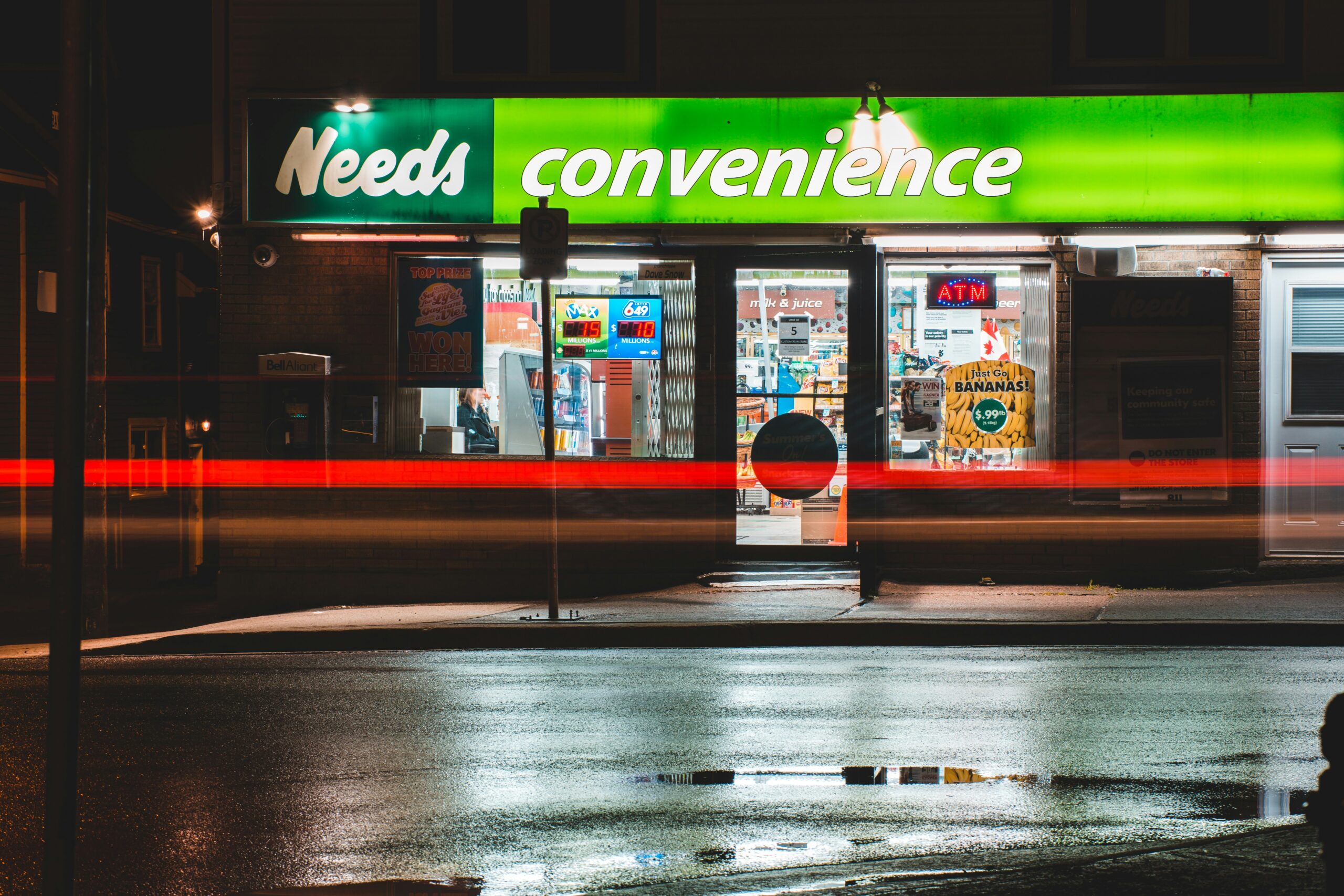
What Companies Are in the Consumer Non-Durables Field? If you’re wondering what companies are in the consumer non-durables field, you’re not alone. This industry is one of the largest and most stable because consumers continually purchase everyday products they use and replace regularly. Unlike durable goods such as cars or household appliances, consumer non-durables include items with a short lifespan, such as food, beverages, personal care products, and cleaning supplies.
Understanding what companies are in the consumer non-durables field can help you explore leading brands, industry trends, and career opportunities in this essential sector.
Everything from toothpaste to water are all examples of consumer non-durables that people all over the world buy every single day. The companies that make these products are massive and have billions of dollars of sales as well as millions of customers worldwide.
This guide will give you an overview of what this industry means, what the largest companies are, how the market works, jobs in the space, and the future outlook. If you’re looking to research this industry, invest in some of the world’s largest producers, research a job in this space, or you just want to know more, you’ve come to the right place.
Overview of the Consumer Non-Durables Field
The consumer non-durables field is made up of companies that create, sell, or distribute short lived products. Some examples of this would be:
Things like food, drinks, toiletries, cleaning products, cigarettes, paper products, and over the counter drugs are all typically consumed within days or weeks of being bought.
These are different from consumer durables, which are longer lasting things such as TVs, fridges, washing machines, and cars. Because people are constantly needing more of these everyday items, companies that make these products can typically rely on these items to always be in demand.
What Companies Are in the Consumer Non-Durables Field?
The consumer non-durables field is made up of manufacturers that make everyday consumables.
These products typically have one or more of the following traits:
Short lifespan
High replacement rate
High home demand
Lower price point
Higher sales volume
Many economists refer to this sector as Fast-Moving Consumer Goods or FMCG. This is because the goods tend to fly off the shelves and into customers’ hands.
Many of the world’s largest companies make up this sector.
How it Works
To understand the consumer non-durables field, it may help to understand the process as a whole first. This is how things such as food and cleaning products tend to get to supermarket shelves.
Product Development
Research and development teams work on identifying customer trends and what they may want to buy next.
Product development then works on using this information to create products that solve their problems and appeal to their interests.
Manufacturing
This is where mass production takes place. There are millions of products made every day to fulfill consumer demand.
Distribution
Distribution deals with getting products to retailers, who then stock them on their shelves.
This can be through various means such as warehouses, wholesale distributors, and retail chains.
Retail Sales
The various chains and independent sellers sell directly to the consumer.
Because people are consistently buying things at local convenience stores or online, many producers in this space tend to have a continuous stream of revenue as opposed to products that are bought once and never returned to.
Things to Know Beforehand
Before diving deeper, it may be good to understand certain things related to the space. Here are some key concepts to know before learning what companies are in the consumer non-durables industry.
Fast-Moving Consumer Goods or FMCG
FMCG is a term used to describe short lived products that are typically lower in price.
Some common examples would be:
Soap
Snacks
Shampoo
Soft drinks
Milk
Toothpaste
Brand Loyalty
Many consumers tend to buy the same products over and over again. Certain brands tend to hold their ground in the minds of consumers due to their reliability. This allows many companies to dominate the market in this space.

Supply Chain Management
Because products in this sector typically have a short lifespan, companies have to be careful with their supply chain management to reduce waste. Understanding inventory management best practices can help explain how manufacturers reduce waste, improve stock availability, and keep products moving efficiently through the supply chain.
Demand
While many products in this space are everyday items that people buy consistently, some are higher-end. However, demand for most of these products tends to be steady as well because many people use or consume them often.
What Companies are in the Consumer Non-Durables Field?
There are many companies in the space. Here are some of the largest companies in the world that are in the consumer non-durables field.
1. Procter & Gamble
Procter & Gamble (P&G) is a global consumer goods company recognized for developing, manufacturing, and marketing a broad portfolio of everyday household and personal care products. . Some of the more recognizable products would be:
Tide
Pampers
Gillette
Crest
Head & Shoulders
Dawn
Its product range spans categories such as home cleaning, personal hygiene, baby care, grooming, beauty, and related consumer essentials
2. Unilever
Unilever is another global giant that has operations in over 190 countries and makes hundreds of different products that people buy every day. Some recognizable brands are:
Dove
Axe
Hellmann’s
Knorr
Vaseline
Lipton
Unilever typically focuses on food, beverages, beauty, and personal care products.
3. PepsiCo
PepsiCo tends to be one of the bigger names when it comes to soft drinks, but they also have several food products. Some of their brands are:
Pepsi
Lay’s
Doritos
Gatorade
Quaker
Cheetos
PepsiCo tends to split their products between beverages and snacks.
4. Coca-Cola
Coca-Cola is one of the world’s largest beverage companies that makes everything from soda to juice to water. Some of their more recognizable brands or products would be:
Coca-Cola
Sprite
Fanta
Minute Maid
Powerade
Dasani
Coca-Cola tends to have thousands of products in its beverage portfolio and has a vast network of bottlers worldwide that distribute and sell their products.
5. Nestlé
Nestlé is another one of the big beverage and food companies in the world that typically caters to most aspects of consumer goods. They make:
Coffee
Chocolate
Dairy
Infant nutrition
Bottled water
Frozen foods
They have many different product lines across most categories of products that people tend to consume.
6. Mondelēz International
Mondelēz International is a giant in the snack and confectionery space that has many recognizable brands such as:
Oreo
Ritz
Cadbury
Toblerone
Trident
They sell products in over 150 countries.
7. Colgate-Palmolive
Colgate-Palmolive tends to make many personal care and household products. Some products are:
Toothpaste
Toothbrushes
Soap
Dishwashing liquids
Pet nutrition
Their most recognizable product would be Colgate toothpaste, which is one of the most popular toothpaste brands in the world.
8. Kimberly-Clark
Kimberly-Clark focuses on paper based consumer products that are used daily. Some recognizable products are:
Kleenex
Huggies
Scott
Cottonelle
Pull-Ups
These are all things that tend to be bought regularly by most people.
9. General Mills
General Mills tends to make many of the products that people eat every day. Some products include:
Cheerios
Pillsbury
Betty Crocker
Nature Valley
Blue Buffalo
They have a wide range of products that people consume daily.
10. Kellogg Company (Kellanova and WK Kellogg)
Kellogg company tends to be most known for their breakfast cereals, but they also have many other products such as:
Corn Flakes
Pringles
Pop-Tarts
Rice Krispies
Special K
11. Clorox
Clorox tends to make many cleaning and disinfecting products such as:
Bleach
Disinfectant wipes
Water filtration products
Trash bags
Cat litter
Many of these products tend to see a higher demand during certain parts of the year or during a pandemic.
12. Johnson & Johnson (Consumer Health Brands)
While Johnson & Johnson has many different products, including prescription drugs, many of their products are in the consumer non-durables space. Some examples would be:
Baby care products
Skin care products
Bandages
Mouthwash
Pain relief products
Major Categories Within the Consumer Non-Durables Space
There are many different kinds of consumer non-durables, but some of the largest product categories would be:
Food and Beverages
This tends to be one of the largest categories of consumer non-durables as people eat and drink nearly everyday. This would include:
Packaged foods
Frozen meals
Snacks
Soft drinks
Coffee and Tea
Dairy products
Personal Care
Many of the personal care products tend to be things such as:
Shampoo
Soap
Deodorant
Toothpaste
Skincare and cosmetics
Household Products
These include:
Laundry detergent
Surface cleaners
Paper towels
Toilet paper
Air fresheners
Healthcare Products
Examples include:
Vitamins
Pain relievers
Allergy drugs
First-aid supplies
Detailed Guide to Industry Operations
Consumer non-durable companies operate under different competitive strategies.
Brand Recognition
Established brands can build brand image in the minds of consumers through loyalty and consistency. Some consumers prefer established brands over new ones
Product Innovation
Many companies engage in product development to gain an advantage over their competitors. Some of the ways in which they do this include:
Launching healthier products: Following current consumer packaged goods industry trends helps explain why companies continue investing in healthier ingredients, sustainable packaging, and premium product lines.
Using environmentally friendly materials
Organic products
Creating premium products
This is a way of staying ahead of the market competition curve.
Global Distribution
Many companies operate in multiple markets across the globe. This helps them maintain supply chains that ensure that their products are always available.
Marketing
Many companies engage in more aggressive marketing than others. This includes advertising their products on TV, social media influencers, retail promotions, and loyalty schemes.
Advanced Insights and Professional Knowledge
Professionals in the field of consumer non-durables consider a number of factors when it comes to the industry, they include:
Market Share
This is typically measured by how much a company sales compared to other firms in the same market space. A firm’s market share determines how recognizable its brand is
Gross Margin
This reflects how well an organization manages its production and supply chains. Many organizations strive to maintain a high-profit margin while still offering competitve pricing.
Consumer Trends
Many firms keep track of emerging trends among customers such as the move towards plant-based foods and beverages, organic products, use of recycled plastic bags and paper materials. Trends such as less sugar in food and beverages are also considered.
Emerging Markets
Many consumer companies operate in emerging markets, where people are increasingly willing to buy more branded goods. As these markets develop and people earn more income, the demand for various consumer goods rises.
Real-Life Use Cases
Consumer non-durables have several applications, they include:
Retail
Many retailers rely on consumer non-durables to make a profit. Supermarkets and grocery stores are dependent on the wide range of consumer goods for their sales.
Healthcare
Hospitals and clinics buy most of their disposable goods, cleaning materials and sanitary products from consumer non-durables companies.
Hospitality
Hotels and other establishments buy most of their stock from consumer non-durables companies. Such products include soap, shampoo, coffee, tissues, cleaning materials and many others.
Restaurants
Restaurants are reliant on consumer non-durable goods such as food and beverages.
E-commerce
The online grocery delivery service is a huge seller of consumer non-durable goods.
Career Opportunities
There are a wide range of career opportunities in the consumer non-durable industry, they include:
Marketing Manager
Brand Manager
Product Manager
Supply Chain Analyst
Sales Representative
Manufacturing Engineer
Food Scientist
Logistics Coordinator
Financial Analyst
Quality Assurance Specialist
Many big companies offer excellent training programs for recent graduates. If you’re exploring careers in this sector, our career planning checklist can help you prepare your resume, develop in-demand skills, and organize your job search effectively.
Common Misunderstandings
There are several myths surrounding the consumer non-durable industry, they include:
“Only food companies are consumer non-durables companies”
There are many other industries aside from food companies. Some of the industries are paper, health and personal care, cleaning products, and healthcare.
“The products are cheap, hence low margins”
While some products are sold at a lower price, most companies make a lot of profit from them due to high sales volumes
“Innovation Isn’t Important”
There is usually continuous product development, especially with regards to packaging materials and other aspects.
“Demand is static and will never change”
While demand for certain products may be stable, it is not true that consumer demand never changes.
Pro Tips
For those who are searching for information on what are companies in consumer non-durables, here are a few things to consider:
Look out for companies that have a wide variety of products
Consumer staples companies differ from consumer discretionary companies.
Some consumer non-durables brands are owned by bigger corporations, so it is worth looking into company ownership.
Look out for consumer spending trends in order to identify which companies are the most popular.
Many companies are moving towards using environment friendly materials to package their products.
Consumer Non-Durables vs. Consumer Durables
Consumer Non-DurablesConsumer Durables
LifespanDays or monthsSeveral years
Purchase FrequencyHighLow
CostGenerally lowerUsually higher
ExamplesFood, soap, toothpasteCars, TVs, refrigerators
DemandRecurringOccasional
Replacement cycleFrequentInfrequent
Now that you are more familiar with the differences between the two types of products, you will be able to easily identify the different types of companies.

Frequently Asked Questions
What companies are in the consumer non-durables field?
Some of the leading firms in this field are Procter & Gamble, Unilever, Nestlé, PepsiCo, Coca-Cola, Mondelez International, Colgate-Palmolive, Kimberly-Clark, General Mills, Clorox, and many others.
What are consumer non-durable goods?
Consumer non-durable goods refer to goods that are bought by consumers and usually used up on a daily basis or over a short period of time. Examples of these are food, beverages, healthcare products, cleaning products, and paper products.
Why is the consumer non-durables industry important?
The industry is very important because it provides products that are used on a daily basis or on a frequent basis. This makes it very vital to the employees, the manufacturing companies, the retailers, and the economy in general.
Are consumer non-durables recession proof?
Even though there is no such industry that is completely recession proof, consumer non-durables are considered to be one of the most recession-resistant markets.
What skills are required when working in the consumer non-durables industry?
A lot of different skill sets are needed in this industry. Some of the most in-demand jobs are marketing management, brand management, product management, supply chain analysis, sales representative, manufacturing engineering, food science, logistics coordination, financial analysis, and quality assurance.
Is FMCG the same as consumer non-durables?
Yes, FMCG is interchangeable with consumer non-durables. It is an acronym that stands for Fast-Moving Consumer Goods.
Conclusion
Now that you know what companies are in the consumer non-durables field on-durables market, you understand why these products are so sought after. This industry has a high demand for products, which makes it very lucrative and attractive to many investors. Companies such as Procter & Gamble, Unilever, Nestlé, PepsiCo, Coca-Cola, Colgate-Palmolive, Kimberly-Clark, and General Mills offer a wide variety of goods that are used in our daily lives. From food and beverages to laundry detergents and personal care products, every household around the world uses at least some of the products offered by consumer non-durable companies.
With the consumer market continuing to grow and attract new investors, these companies offer amazing career opportunities to those interested in the manufacturing, marketing, and managing fields of business. Whether you are looking to research more about the industry or are interested in working in one of these companies, understanding what this market entails can be very beneficial. The demand for products such as healthy food, eco-friendly packaging materials, and online shopping has led to many firms adjusting their strategies and focusing more on these aspects of the market.