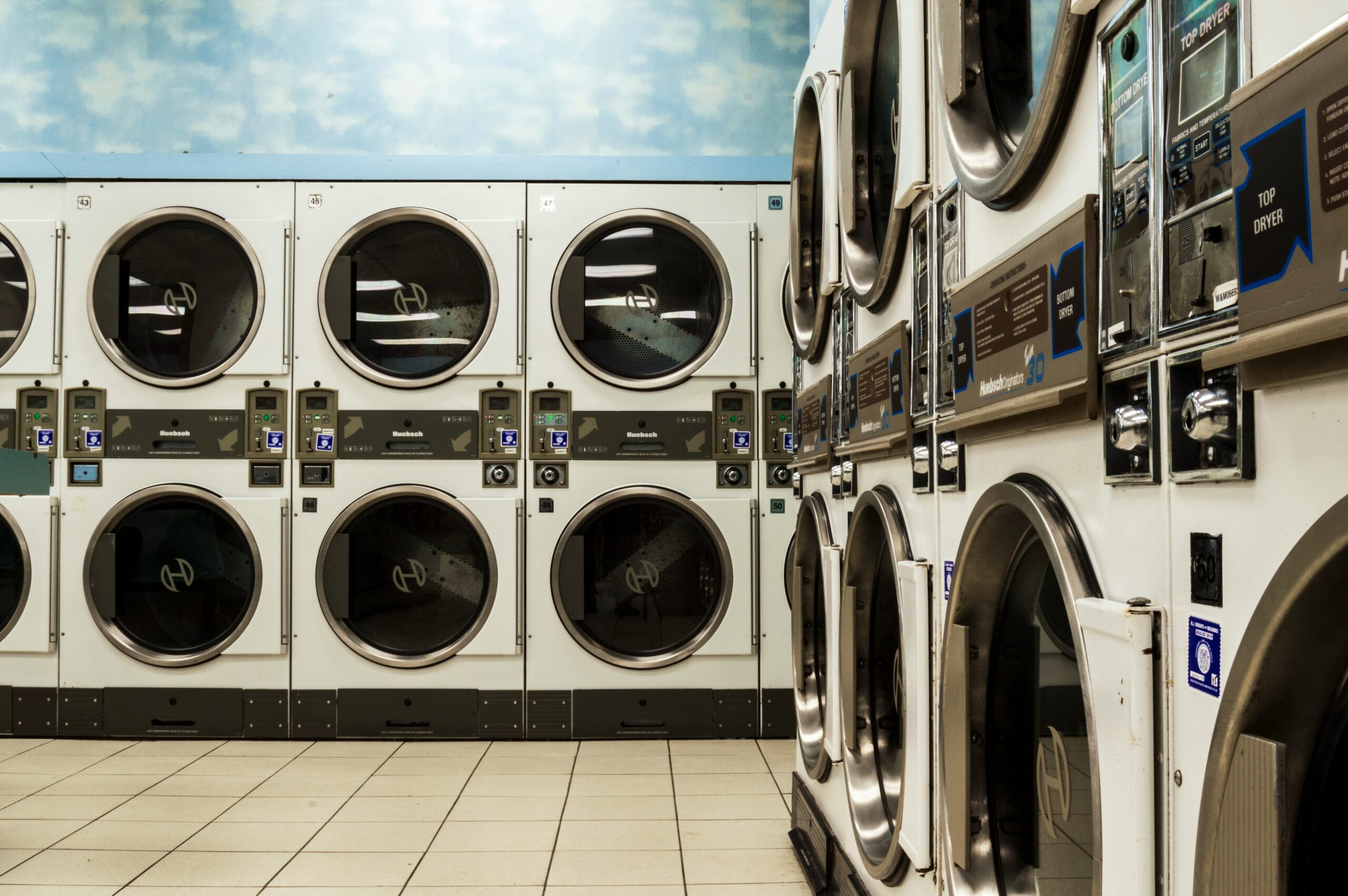
If you have been questioning if are laundromats profitable, you are certainly not alone. Self-service laundromats have historically been among the more dependable small-business opportunities. After all, no matter what economic conditions look like, individuals always have to get their clothing washed.
Unlike some retailers who may have to contend with fickle consumer trends, laundromats cater to an age-old need.
That said, not all laundromats will be profitable. Some bring their owners a steady stream of income; others languish because of poor locations, high costs, and ineffective management. To that question as to whether or not laundromats are profitable, the answer comes with several factors: start-up costs, customer demand, the presence of competitors, the price that you can charge for services and ongoing maintenance costs.
Are Laundromats Profitable?
So, the answer to the question is Yes, they certainly can be a lucrative investment; but you have to carefully determine the financing, planning and execution.
How Does A Laundry Make Money?
Laundromats generate income from customer use of their self-service washers and dryers.
To supplement income laundromats can also offer services such as laundry delivery, folding laundry, commercial laundry accounts, snack or drink vending machines, or arcade machines.
Because most people must do laundry on a day-to-day basis (regardless of economic conditions), laundromats typically enjoy a more regular customer base than some other types of businesses that are based on seasonal demands or other market factors. The amount of money you make will depend greatly on your location. A thriving laundromat in an area with many residents might fare far better than a laundromat situated in an area with a limited customer base.
Why Laundromats Continue to Attract Investors
Here are several reasons why the question “are laundromats profitable?” comes up often: Few staffing needs. Laundry businesses typically have fewer employees compared to restaurants and retail stores.
Customers are mostly self-sufficient, taking care of the washing and drying tasks.
Recurring customer base. Residents in apartment buildings, college students, travelers, and many households with no washing machines depend on laundromat services consistently. Efficiency of modern operation. Today’s businesses can achieve greater operational efficiency through modern payment systems, remote monitoring, and energy-saving appliances.
How a Laundromat Makes Money
Understanding revenue sources is essential before evaluating profitability.
Self-Service Washing and Drying
The primary income comes from customers paying to use washing machines and dryers.
Revenue depends on factors such as:
- Number of machines
- Machine sizes
- Pricing
- Daily customer volume
- Equipment uptime
A laundromat with newer, larger-capacity machines may generate higher revenue than one with outdated equipment.
Wash-and-Fold Services
Many laundromats expand beyond self-service by offering wash-and-fold services.
Customers drop off their laundry, and employees wash, dry, fold, and package it for pickup.
This service can create an additional revenue stream while attracting busy professionals and families.
Pickup and Delivery
Some laundromats now offer scheduled pickup and delivery.
This service has grown in popularity among customers seeking convenience and businesses that outsource laundry needs.
While it requires additional logistics, it can significantly increase sales in competitive markets.
Vending Machines
Selling detergent, fabric softener, dryer sheets, snacks, and beverages provides supplemental income.
Although vending revenue may not be the largest source of profit, it can improve overall earnings with relatively little ongoing effort.
Commercial Laundry Contracts
Hotels, salons, gyms, restaurants, vacation rentals, and medical offices sometimes outsource laundry services.
Winning commercial accounts can provide predictable recurring revenue throughout the year.
Startup Costs
Before deciding whether are laundromats profitable applies to your situation, it’s important to understand the initial investment required.
Startup costs vary depending on whether you purchase an existing business or build a new laundromat.
Common expenses include:
- Commercial washing machines
- Commercial dryers
- Plumbing installation
- Electrical upgrades
- Water heating systems
- Leasehold improvements
- Security systems
- Furniture and seating
- Payment systems
- Business licenses
- Insurance
- Initial working capital
Because commercial laundry equipment is expensive, financing is common for new owners.
Factors That Affect Profitability
Several variables determine whether a laundromat becomes a successful business.
Location
Location is often the single most important factor.
Areas with:
- High population density
- Apartment complexes
- Student housing
- Limited in-home laundry facilities
generally create stronger demand than neighborhoods where most homes already have private washers and dryers.
Easy parking, visibility, and accessibility also influence customer traffic.
Equipment Quality
Reliable equipment reduces downtime and repair costs.
Customers are more likely to return when machines operate efficiently and complete cycles quickly.
Energy-efficient machines may also reduce utility expenses over time.
Competition
The number of nearby laundromats affects pricing power.
Markets with heavy competition may require additional services or facility improvements to attract customers.
Conversely, a well-positioned laundromat with limited competition may enjoy stronger customer loyalty.
Pricing Strategy
Charging too little may reduce profits, while charging too much may drive customers elsewhere.
Successful owners regularly evaluate:
- Utility costs
- Local competition
- Customer expectations
- Equipment operating expenses
before adjusting prices.
Operating Expenses
Although laundromats can generate consistent revenue, they also have ongoing operating costs.
Utilities
Water, electricity, gas, and sewer charges represent some of the largest expenses.
Energy-efficient equipment can help reduce these costs over time.
Rent or Mortgage
Monthly occupancy costs vary significantly by market.
High-traffic locations often command higher rents but may also generate greater customer volume.
Equipment Maintenance
Commercial washers and dryers require routine servicing.
Preventive maintenance reduces downtime and extends equipment life.
Ignoring maintenance often leads to expensive emergency repairs.
Insurance
Business insurance helps protect against property damage, liability claims, and certain operational risks.
Coverage needs vary depending on the size and services offered by the laundromat.
Cleaning and Supplies
Customers expect clean, well-maintained facilities.
Routine cleaning, restroom maintenance, trash removal, and supply replenishment all contribute to operating costs.
Advantages of Owning a Laundromat
Many entrepreneurs continue asking are laundromats profitable because the business offers several potential advantages.
Essential Service
Laundry remains a basic household need regardless of economic conditions.
Demand tends to be more stable than many discretionary retail businesses.
Recurring Customers
Satisfied customers often return weekly, creating repeat business.
Building customer loyalty through cleanliness and reliable equipment can support long-term revenue.
Multiple Revenue Opportunities
Modern laundromats often generate income from more than just self-service machines.
Additional services such as wash-and-fold, pickup and delivery, vending, and commercial accounts help diversify revenue sources.
Automation
Many newer laundromats use automated payment systems, security cameras, remote equipment monitoring, and mobile payment technology.
These systems can reduce manual tasks and improve operational efficiency.
Potential Challenges
While the answer to are laundromats profitable can certainly be yes, owners should also understand the challenges.
High startup costs may require significant financing.
Utility prices can fluctuate and directly affect profitability.
Equipment eventually wears out and requires replacement.
Competition may increase over time as new laundromats enter the market.
Finally, poor management, neglected maintenance, or declining customer service can reduce repeat business even in strong markets.
Is a Laundromat the Right Business for You?
Owning a laundromat may appeal to entrepreneurs who enjoy operating service-based businesses with relatively consistent demand.
However, success requires careful planning, financial management, ongoing maintenance, and a commitment to providing customers with clean, reliable facilities.
Understanding the local market before investing is just as important as securing financing or purchasing equipment, especially if you’re exploring small business investment strategies before launching a new venture.
How to Increase Laundromat Profitability
If you’re asking are laundromats profitable, the better question may be: What makes one laundromat more profitable than another? Even in competitive markets, owners can often improve financial performance by focusing on efficiency, customer experience, and additional revenue opportunities.
Upgrade to Energy-Efficient Equipment
These new commercial washers and dryers are generally more energy efficient, so that you’re using less water, electricity and natural gas than you would be with your older equipment. The downside is that you will need to purchase some new equipment but the overall reduction in energy costs, maintenance issues, and faster cycles will translate into increased revenue in the future.
Expand Beyond Self-Service Laundry
Successful laundromats often diversify their income rather than relying solely on coin-operated machines.
Additional services may include:
- Wash-and-fold laundry
- Pickup and delivery
- Commercial laundry contracts
- Vending machines
- Soap and detergent sales
- ATM services
Offering multiple services can help generate revenue even during slower customer periods.
Keep the Facility Clean and Safe
A clean laundromat encourages repeat business.
Customers are more likely to return when they find:
- Clean machines
- Well-maintained restrooms
- Bright lighting
- Comfortable seating
- Reliable Wi-Fi
- Security cameras
- Well-lit parking areas
Small improvements in customer experience can make a significant difference in long-term customer loyalty.
Monitor Expenses Regularly
Many owners focus primarily on increasing revenue, but controlling expenses is equally important.
Regularly review:
- Utility bills
- Equipment maintenance costs
- Insurance premiums
- Cleaning expenses
- Lease agreements
Identifying unnecessary costs can improve profit margins without increasing prices.
Common Mistakes New Laundromat Owners Make
Many people researching are laundromats profitable focus only on revenue while overlooking common operational mistakes.
Choosing the Wrong Location
Even excellent equipment cannot compensate for poor customer demand.
Before purchasing a laundromat or signing a lease, research:
- Population density
- Nearby apartment complexes
- Local competition
- Parking availability
- Traffic patterns
- Neighborhood growth
Location continues to be one of the most important factors affecting long-term investment success.
Underestimating Operating Costs
Some first-time owners focus heavily on equipment costs while overlooking recurring expenses such as utilities, repairs, insurance, and routine maintenance.
Creating realistic financial projections helps avoid unpleasant surprises after opening.
Ignoring Preventive Maintenance
Delaying repairs often leads to equipment failures that inconvenience customers and reduce revenue.
Preventive maintenance keeps machines operating efficiently and extends their useful life.
Setting Prices Without Research
Pricing should reflect local market conditions, operating costs, and customer expectations.
Prices that are too low may reduce profitability, while prices that are too high can encourage customers to visit competing laundromats.
Real-World Example
Imagine two laundromats located in neighboring communities.
The first owner installs energy-efficient equipment, keeps the facility exceptionally clean, offers mobile payments, and adds a wash-and-fold service.
The second owner continues using aging machines, postpones maintenance, and offers only basic self-service laundry.
Although both businesses serve similar customer bases, the first laundromat is likely to attract more repeat customers and generate additional revenue from value-added services.
This example illustrates why the answer to are laundromats profitable depends not only on the business model but also on the owner’s management decisions.
Expert Insights
Business advisors often point out that laundromats are operational businesses rather than passive investments.
Even self-service locations require attention to:
- Equipment maintenance
- Customer service
- Financial management
- Utility efficiency
- Marketing
- Facility cleanliness
Owners who consistently monitor these areas are generally better positioned to build sustainable, long-term profitability.
Another important observation is that customer expectations have evolved. Many people now expect conveniences such as cashless payment options, reliable internet access, and modern, well-maintained facilities. Investing in these improvements may increase customer satisfaction and encourage repeat visits.
Is a Laundromat a Good Investment?
The answer depends on your goals, available capital, and willingness to manage the business. You can also explore more business and investment guides to compare different income-generating opportunities before making a decision.The answer depends on your goals, available capital, and willingness to manage the business.
A laundromat may be a good investment if you:
- Research the local market carefully.
- Purchase quality equipment.
- Maintain adequate cash reserves.
- Control operating expenses.
- Focus on customer satisfaction.
- Diversify revenue sources.
However, it may not be the right business for someone seeking a completely hands-off investment or someone without sufficient capital to handle repairs, upgrades, and unexpected expenses.
Like any business, long-term success depends on thoughtful planning and consistent execution rather than simply opening the doors.
Future Trends in the Laundromat Industry
The laundromat industry continues to evolve with changing technology and customer preferences.
Some trends that may shape future profitability include:
- Cashless and mobile payment systems.
- Smart machines with remote monitoring.
- Online scheduling for wash-and-fold services.
- Pickup and delivery subscriptions.
- Energy-efficient equipment.
- Eco-friendly detergents and sustainable operations.
Owners who adapt to changing customer expectations may gain a competitive advantage in their local markets by following proven customer service tips for small businesses that encourage repeat customers.
Conclusion
So, are laundromats profitable? In many cases, yes, but there is no guarantee of profitability.
How profitable is laundromat business What Makes Laundromats Profitable A lot more than simply purchasing a washer and also dryer will be in order to keep a laundromat profitable and successful. It really takes greater than only acquiring clean machines and clothes machines as much as you might, nevertheless it actually is rather simple to remain profitable. You may actually uncover the laundromat company business venture may be quite useful but may take effort to acquire profits flowing by the particular company.
Your site: There can also be numerous items the factor in which have to go into that this success involving a laundromat operation.
These kinds of contain everything from the location where you decide on it, to this sort of washers and dryers that you end up choosing and then to your operating prices and the amount your business charge for its services.
Frequently Asked Questions
1. Are laundromats profitable for first-time business owners?
They can be, provided the owner performs thorough market research, understands operating costs, and manages the business effectively. Experience in business management can also improve the chances of success.
2. How do laundromats make most of their money?
The primary revenue comes from self-service washing and drying machines. Many laundromats also increase profits through wash-and-fold services, commercial laundry contracts, pickup and delivery, and vending machines.
3. What is the biggest expense for a laundromat?
Utility costs—including water, electricity, gas, and sewer services—are typically among the largest ongoing operating expenses, followed by rent, equipment maintenance, and labor where applicable.
4. Can a laundromat generate passive income?
While modern technology can automate certain tasks, most laundromats still require active management, equipment maintenance, financial oversight, and customer service. They are generally considered semi-passive rather than fully passive businesses.
5. How important is location for a laundromat?
Location is one of the most important factors affecting profitability. Areas with higher population density, apartment complexes, or limited access to in-home laundry facilities often provide stronger customer demand.
6. Is buying an existing laundromat better than opening a new one?
Buying an existing laundromat may provide an established customer base and operating history, while opening a new location offers greater flexibility in equipment selection and business design. The better option depends on the condition of the business, purchase price, and local market opportunities.