
Many people search for 10 reasons why IUL is a bad investment because they want an honest look at the potential drawbacks of an Indexed Universal Life (IUL) policy instead of relying on marketing promises.
IUL policies are often marketed as combining market-linked growth potential, tax advantages, and permanent life insurance in a single product. Supporters highlight features such as downside protection and tax-free retirement income strategies through policy loans. Critics, however, argue that these policies are frequently oversold and misunderstood, especially when they’re pitched primarily as retirement or investment vehicles rather than insurance.
The truth is more nuanced: an IUL is not automatically a bad product, but it can be a poor fit for many people. Understanding the drawbacks is essential before committing to a policy that may last for decades.
This article examines the first five of the 10 reasons why IUL is a bad investment in certain situations, using a neutral, educational approach so you can make a more informed decision.
What Is an Indexed Universal Life (IUL) Policy?
An IUL is a type of permanent life insurance. Part of your premium pays for the death benefit and policy expenses, while the remaining portion goes into a cash-value account.
The cash value is not invested directly in the stock market. Instead, the insurer credits interest based on the performance of a market index, such as the S&P 500, subject to limits such as:
- Caps (maximum credited return)
- Participation rates (percentage of index gains you receive)
- Spreads or asset fees (amount deducted from returns)
Many people comparing IULs to investments are surprised to learn that they are primarily insurance contracts, not investment accounts like a 401(k), IRA, or brokerage account, making the four walls budget priorities equally important before committing to long-term financial products.
Why Do People Buy IUL Policies?
IULs are commonly marketed for:
- Permanent life insurance coverage
- Cash-value accumulation
- Supplemental retirement income through policy loans
- Tax-deferred growth
- Flexible premium payments
- Protection from direct market losses
These features can be appealing, particularly to high-income earners who have already maximized other tax-advantaged accounts. However, the sales presentation often emphasizes the upside while minimizing the complexity and long-term costs.
That’s where many of the concerns behind 10 reasons why IUL is a bad investment begin.
Reason #1: High Fees and Insurance Costs

4
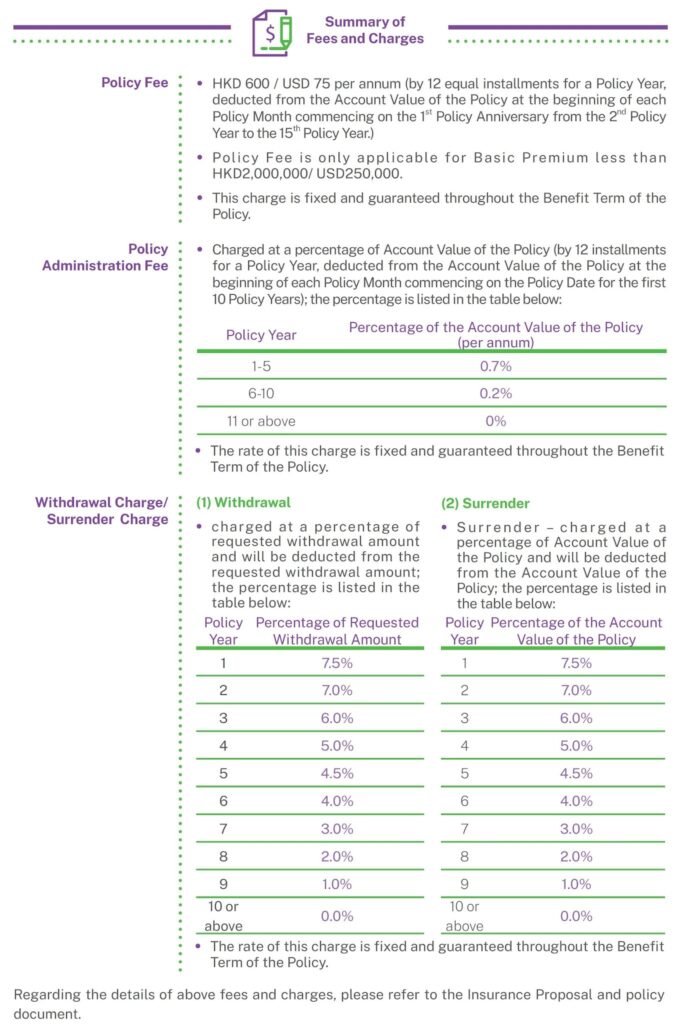
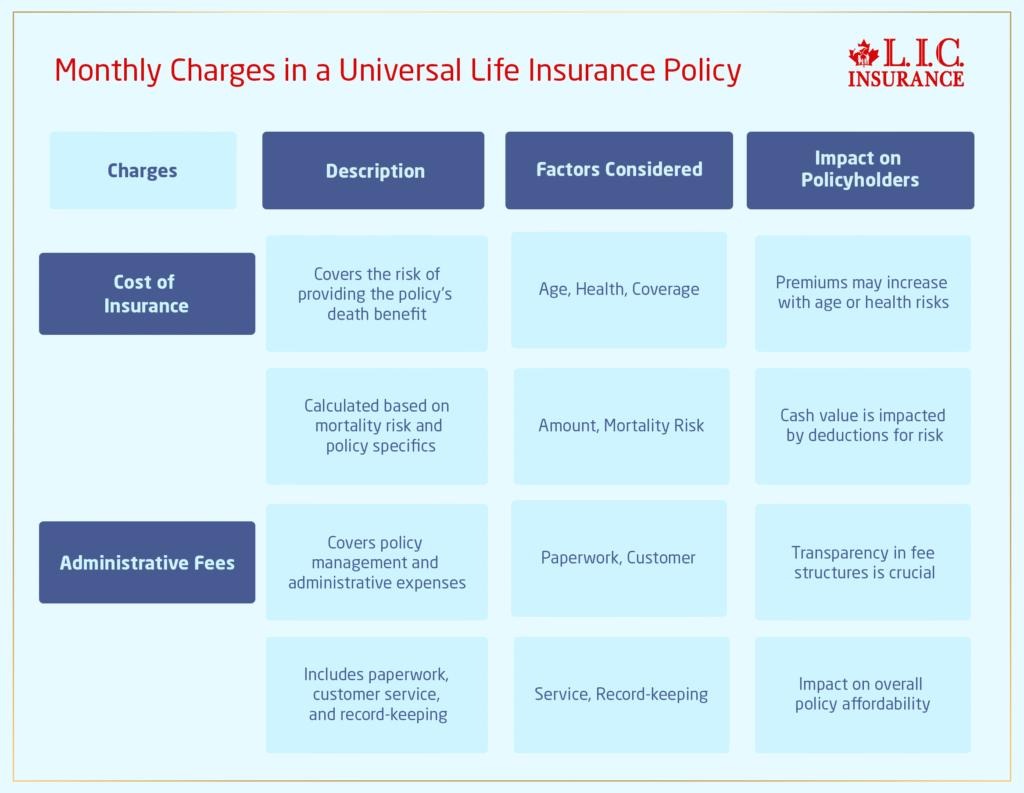
One of the most important reasons critics give is that IUL policies can be expensive.
Several layers of charges may apply:
- Cost of insurance (COI)
- Administrative fees
- Premium loads
- Rider charges
- Asset-based charges in some policies
In the early years, a significant portion of your premium may go toward fees rather than cash-value growth. This means the policy often builds value much more slowly than buyers expect.
Why this matters
Suppose someone pays $10,000 annually into an IUL. The full $10,000 is not invested on their behalf. Depending on the policy structure, thousands of dollars could be deducted for insurance and expenses before any interest is credited.
For someone whose primary goal is investment growth, these costs can create a substantial hurdle.
Reason #2: Returns Are Limited by Caps and Participation Rates
A common misunderstanding is that an IUL gives you stock market returns without market risk.
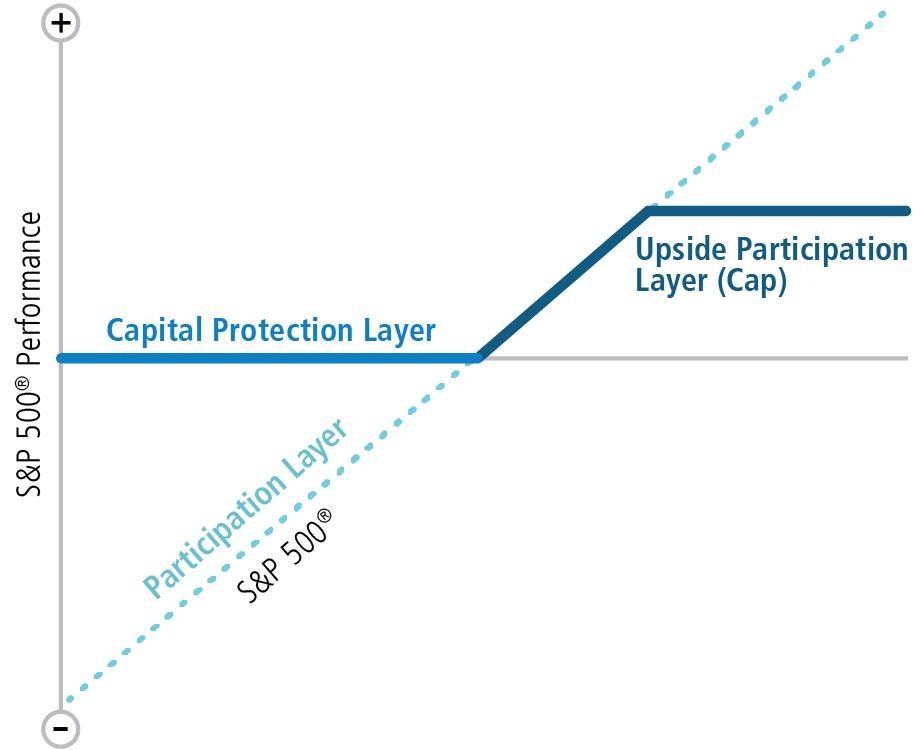
In reality, insurers limit the upside.
For example:
- If the index gains 20%
- And the policy has a 10% cap
- The policy is credited only 10% (before considering other policy expenses)
Some policies also use a participation rate. If the participation rate is 70% and the index gains 10%, the credited return is 7%.
The long-term effect
Over decades, missing a portion of strong market years can significantly reduce compounded growth. This is one reason financial planners often caution against comparing IUL illustrations directly with historical stock market returns.
When discussing 10 reasons why IUL is a bad investment, this limitation is usually near the top of the list because it affects the policy’s growth potential for its entire lifetime.
Reason #3: Policy Illustrations Can Create Unrealistic Expectations

IUL sales often rely heavily on policy illustrations—documents showing projected cash-value growth over many years.
These illustrations are not guarantees.
They are based on assumptions about:
- Future interest crediting rates
- Policy expenses
- Loan activity
- Premium payments
- Index performance
A projection showing substantial cash value at age 65 may assume consistent credited rates that are never actually achieved.
Why this becomes a problem
Many policyholders do not fully understand that lower-than-illustrated returns can require:
- Higher premiums
- Reduced death benefits
- Less available retirement income
- Additional funding later in life
Regulators have increased scrutiny of life insurance illustrations over the years, but consumers still need to read them carefully and ask what happens under lower-return scenarios.
Reason #4: Without Proper Funding, an IUL Policy May Not Stay in Force

This is one of the most serious risks.
Although IULs offer flexible premiums, that flexibility can be misleading. If the cash value does not grow as expected and premiums are insufficient, the policy may eventually lapse.
When a policy lapses:
- The life insurance coverage ends.
- Any outstanding loans become immediately relevant.
- The policyholder may face a taxable event if the cash value exceeds the premiums paid (cost basis).
A simplified example
Imagine someone borrows heavily from their policy during retirement. If poor performance and rising insurance costs drain the cash value, the policy could collapse while the loan is still outstanding. The borrower could lose coverage and receive a large tax bill at the same time.
This possibility is a major reason why advisors discussing 10 reasons why IUL is a bad investment emphasize ongoing monitoring and conservative assumptions.
Reason #5: Rising Insurance Costs as You Age

IUL policies contain cost of insurance charges that generally increase with age.
When you are younger, these charges may seem modest. As you get older, they can rise substantially, especially if the policy has not accumulated enough cash value to offset them.
Why this surprises people
Many buyers focus on the early years when the policy appears affordable. Decades later, the increasing insurance charges can place pressure on the policy’s cash value and require additional premium payments.
This is particularly concerning for people who purchased an IUL primarily for retirement income. If the policy underperforms, the rising insurance costs can reduce the amount available to borrow or withdraw.
For investors comparing an IUL with simpler alternatives such as term life insurance plus low-cost index fund investing, these increasing costs are often viewed as a significant disadvantage.
A Quick Comparison
| Concern | Potential Impact |
| High fees | Lower net growth |
| Return caps | Limited upside |
| Optimistic illustrations | Expectation gap |
| Lapse risk | Loss of coverage and possible taxes |
| Rising insurance costs | Higher funding needs later |
These first five points already explain a large portion of the skepticism behind 10 reasons why IUL is a bad investment. The remaining reasons focus on complexity, loan risks, opportunity cost, liquidity limitations, and why many financial professionals believe IULs are often sold to people who would be better served by simpler strategies.
Reason #6: IUL Policies Can Be Complex and Difficult to Compare (Best choice)
One of the biggest criticisms behind 10 reasons why IUL is a bad investment is complexity.
Unlike a mutual fund or an exchange-traded fund (ETF), an IUL contains numerous moving parts that interact with one another. Understanding how the policy works requires more than reading a brochure or reviewing an illustration.
Some of the features that vary between insurers include:
- Interest crediting methods
- Participation rates
- Performance caps
- Asset or spread charges
- Cost of insurance (COI)
- Premium flexibility
- Loan provisions
- Surrender charges
Because every insurance company designs its policies differently, comparing two IULs can be difficult—even for financially knowledgeable buyers.
Why complexity matters
Complex financial products increase the chance of misunderstanding. If you don’t fully understand how your policy earns interest, charges fees, or handles loans, you’re more likely to make decisions that reduce its long-term value.
For many households, a simpler financial strategy may be easier to manage and monitor.
Reason #7: Policy Loans Can Reduce Long-Term Value
One of the most heavily promoted IUL features is the ability to borrow against the cash value.
While policy loans can offer flexibility, they are not free money.
Important facts include:
- Interest may be charged on outstanding loans.
- Unpaid loan balances reduce the death benefit.
- Excessive borrowing can weaken policy performance.
- Loans increase the risk of policy lapse if the cash value becomes insufficient.
Many sales presentations focus on “tax-free income,” but that outcome generally depends on the policy remaining in force throughout the insured’s lifetime.
If the policy lapses while loans are outstanding, unexpected tax consequences may occur.
This is another reason why financial professionals discussing 10 reasons why IUL is a bad investment often encourage buyers to understand the long-term implications before relying on policy loans for retirement income.
Reason #8: Opportunity Cost Can Be Significant
Every dollar placed into an IUL is a dollar that cannot be invested elsewhere.
That doesn’t automatically make an IUL a poor choice, but it creates an important tradeoff.
Someone whose primary objective is investment growth may compare an IUL with alternatives such as:
- Employer-sponsored retirement plans
- Individual Retirement Accounts (IRAs)
- Roth IRAs (if eligible)
- Taxable brokerage accounts invested in diversified funds
These accounts often provide greater investment flexibility, clearer fee structures, and more transparent performance reporting.
An IUL combines insurance and investing into one contract, which can be useful for certain financial planning situations. However, people who primarily need investments rather than permanent insurance may find greater value in keeping those goals separate.
Reason #9: Accessing Cash Value Isn’t Always Simple
Many people assume that because an IUL builds cash value, they can withdraw it whenever they choose without consequences.
In reality, accessing cash value can involve several considerations:
- Withdrawals may permanently reduce the death benefit.
- Policy loans must be managed carefully.
- Early surrender may trigger surrender charges.
- Taking too much cash can affect the policy’s long-term sustainability.
Liquidity—the ability to quickly access your money—is often more limited than many buyers initially expect.
If flexibility is a top priority, this limitation deserves careful consideration before purchasing an IUL.
Reason #10: It Is Sometimes Sold as an Investment Instead of Insurance
Perhaps the most debated point among the 10 reasons why IUL is a bad investment is not the product itself, but how it is sometimes marketed.
An IUL is fundamentally a life insurance policy.
Problems can arise when it is presented primarily as:
- A replacement for a retirement account
- A guaranteed wealth-building strategy
- A risk-free investment
- A superior alternative to all stock market investing
These claims may oversimplify how IULs actually work.
A balanced discussion should include:
- Insurance costs
- Return limitations
- Policy risks
- Funding requirements
- Long-term management responsibilities
Consumers should be cautious of any sales presentation that emphasizes only potential benefits while giving little attention to the associated tradeoffs.
Are IUL Policies Always a Bad Investment?
No.
Although this article focuses on 10 reasons why IUL is a bad investment, it’s important to recognize that an IUL is not inherently “bad.”
For some individuals, it may be appropriate, particularly when they:
- Need permanent life insurance.
- Have a long investment horizon.
- Can consistently fund the policy.
- Understand the product’s mechanics.
- Have already maximized other tax-advantaged retirement accounts.
- Are working with a qualified financial professional who provides transparent guidance.
The key is matching the product to the individual’s goals rather than assuming it is suitable for everyone.
Questions to Ask Before Buying an IUL
Before signing an application, consider asking:
- What are all the policy fees?
- What assumptions were used in the illustration?
- What happens if credited interest rates are lower than projected?
- How much flexibility do I really have with premiums?
- What are the surrender charges?
- How are policy loans handled?
- What happens if I stop paying premiums?
- Is permanent life insurance actually necessary for my situation?
Answering these questions can help you determine whether an IUL fits your financial goals.
Common Misconceptions
“I Can’t Lose Money”
Most IULs include a floor that protects against direct negative index returns, but this does not mean the policy value cannot decline. Insurance charges and other expenses may reduce cash value even during years when the credited interest rate is zero.
“It’s Just Like Investing in the Stock Market”
Not exactly.
The cash value is generally linked to an index for interest-crediting purposes, but it is not directly invested in the underlying stocks. Return caps, participation rates, and policy expenses can produce results that differ significantly from the market itself.
“IUL Is Better Than Every Retirement Account”
No single financial product is best for everyone.
The right solution depends on your income, tax situation, insurance needs, investment objectives, and tolerance for risk.
Expert Perspective
Financial planners often recommend separating two important questions:
- Do you need permanent life insurance?
- What is the best way to invest for long-term growth?
Sometimes the answer to both questions leads to an IUL. Other times, it may make more sense to combine term life insurance with traditional investment accounts.
The appropriate choice depends on individual circumstances rather than marketing claims.
Conclusion
Understanding the 10 reasons why IUL is a bad investment doesn’t mean every Indexed Universal Life policy should be avoided. Instead, it highlights why careful evaluation is essential before committing to a long-term insurance contract.
High fees, return caps, complex policy structures, increasing insurance costs, loan risks, and opportunity costs can all affect long-term outcomes. At the same time, an IUL may still serve a purpose for people who genuinely need permanent life insurance and understand how the product works.
The best financial decisions are rarely based on advertising alone, especially when comparing life insurance vs investment options. Compare alternatives, review policy illustrations carefully, ask difficult questions, and consider seeking advice from a qualified fiduciary financial professional before making a commitment.
Frequently Asked Questions
1. Why do some financial experts say an IUL is a bad investment?
Many critics point to high insurance costs, policy complexity, return caps, and optimistic illustrations. They argue these factors can make an IUL less effective than simpler investment options for people whose primary goal is wealth accumulation.
2. Can you lose money in an IUL?
While most IULs have a floor that limits losses from index performance, cash value can still decrease because of insurance costs, fees, and policy charges.
3. Is an IUL better than investing in index funds?
They serve different purposes. Index funds are designed for investing, while IULs are life insurance policies with a cash-value feature. Comparing them requires considering taxes, insurance needs, costs, risk, and long-term objectives.
4. Who might benefit from an IUL?
People with a legitimate need for permanent life insurance, sufficient income to fund the policy consistently, and a clear understanding of its features may find an IUL appropriate as part of a broader financial plan.
5. What is the biggest disadvantage of an IUL?
There is no single answer, but high fees, policy complexity, and limited upside due to caps and participation rates are among the most commonly cited drawbacks.
6. Should I cancel my IUL policy?
That decision depends on your policy terms, financial goals, tax implications, and insurance needs. Because surrendering a policy can have financial consequences, it’s wise to review your options with a qualified financial professional before making changes.