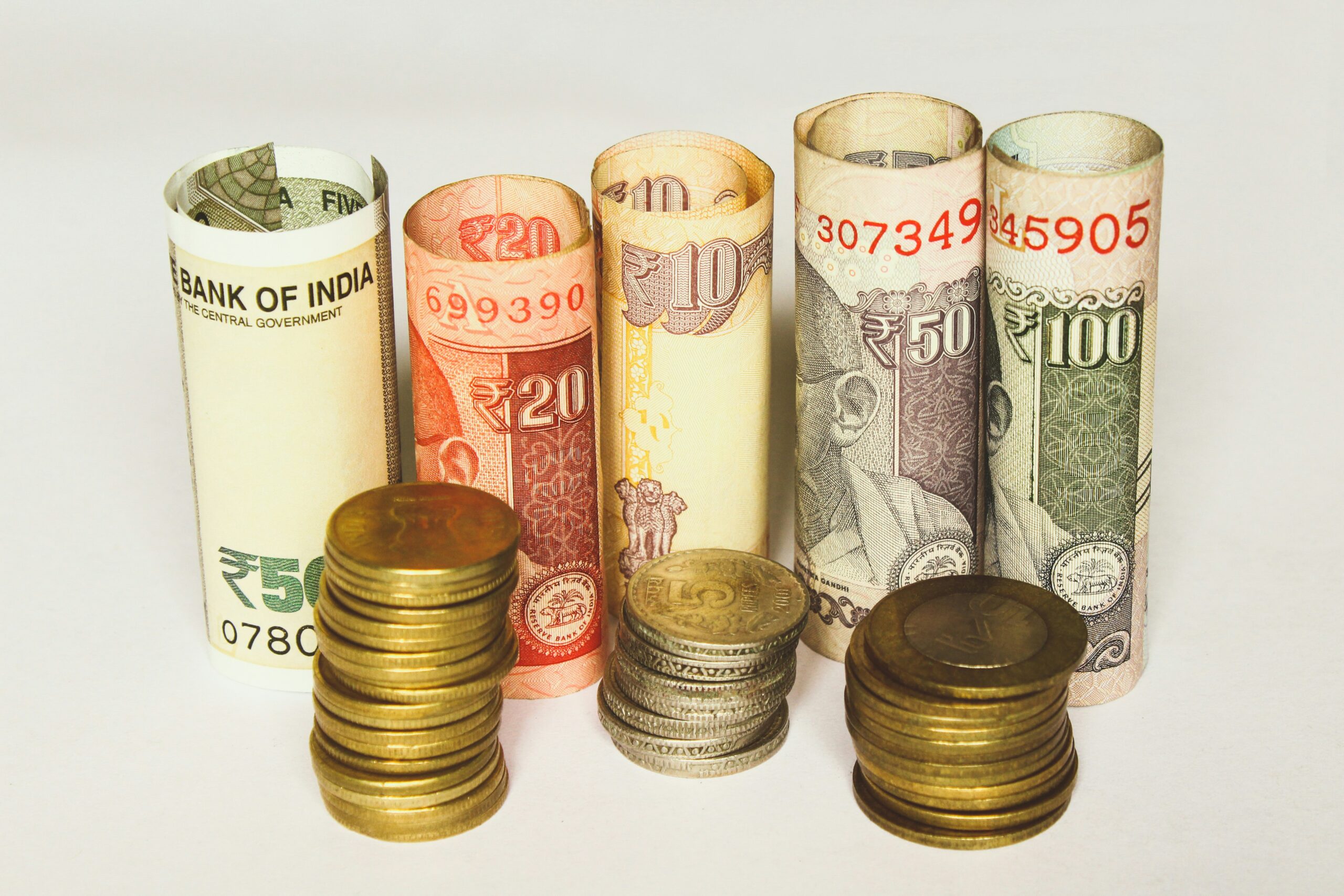
We use the word rise almost interchangeably with increases in prices, temperatures, tensions, and even the rise of one’s career.
However, not many think about what a rise truly means for their pocket, product, business, and overall plan in general.
At the most fundamental level, a rise is an increase or upward tendency in value, level, or extent from a lower to a higher point. It can be in figures on a screen, the water level in a glass, or a particular person or entity.
Understanding the principles behind various rises and what contributes to them can give you an insight into your savings plan, investment strategy, negotiations tactics, and other important aspects of life.
Why “Rise” Matters in Real Life
When something rises, it always has some consequences. For example, if prices rise, it leads to inflation, causing the currency to lose its value or making life more expensive. If the interest rate rises, it becomes more expensive to take a bank loan and, therefore, more challenging to pay off. The rise of something may also have other effects depending on the context, e.g., in economics, technology, or social trends.
In addition to material goods, an increase may also relate to abstract concepts such as social influence, popularity, attention, and even political power. For example, the rise of the electric car trend will lead to changes in the automotive industry, including manufacturers and regulators. Similarly, the rise in attention to a particular person may lead to increased criticism or expectations from society. Therefore, if something rises, it always has some impact on other things.
Understanding “Rise”: Core Definitions and Nuances
The basic meaning of rise
In everyday English, rise as a verb means to move upward, increase, or get up from a lying or sitting position. As a noun, a rise refers to an elevation or increase compared with some starting point—for example, a rise in salary or a rise in temperature. The key idea is always relative: something is higher now than it was before.
Grammar also plays a role. Rise is an intransitive verb, meaning it does not take a direct object: “Prices rise,” “The sun rises,” “Tensions rose.” That contrasts with raise, which is transitive and requires an object: “The central bank raises rates,” “The company raised salaries,” “She raised her hand.” This distinction matters because it subtly points to whether the increase is happening on its own or because someone is causing it.
Rise in economics and finance
In economics, a rise is often associated with a percentage increase, for example, prices have risen by 3% in a year. In turn, inflation defines interaction prices of goods and services in a given economy over time, which indicates an overall price increase rather than a rise of prices of individual goods or services. In financial markets, a rise refers to a rise in shares, bonds, or commodities prices driven by supply-demand relations, and expectations of risk.
Consequently, there are usually interactions between different types of growth. For instance, an increase in interest rates usually leads to reduced borrowing, which can cause a decrease in aggregate demand, which in turn reduces inflation. At the same time, a rise in input costs, for example, wages or prices of raw materials, will lead to higher prices in the future, which is the essence of cost-push inflation. As we can see, a rise, whether it concerns money or something else, is always part of a system where it plays a certain role.
Key Principles: How Rises Usually Work
Several recurring principles help explain why rises happen and what they mean:
- Relative starting point
Every rise is measured against a baseline—yesterday’s price, last year’s salary, last quarter’s revenue, or a previous social media following. Without that reference, “rising” is just an impression, not a measurable change.
- Direction and magnitude
Direction tells you whether something is rising or falling; magnitude tells you how much. A rise can be steady and gradual or sudden and sharp, and those patterns carry different risks and opportunities.
- Cause and agency
A rise can be driven by natural forces (for example, seasonal changes), structural shifts (like long‑term technological adoption), or deliberate choices (such as raising interest rates). Understanding who or what is behind the rise helps predict whether it might continue.
- Expectations
Expectations themselves can cause or amplify a rise. If people widely expect higher future prices, they may spend more now, which can push prices up faster. Similarly, expectations of future profit can fuel a rapid rise in stock prices.

- Feedback loops
Rises can create feedback loops, where the rise changes behavior, and that behavior drives further increases. For instance, rising rents can push more people into home‑buying, which can contribute to a rise in house prices.
Detailed Guide: Reading Different Types of Rise
1. Rise in prices (inflation and everyday costs)
When prices rise across many goods and services, you are experiencing inflation. Understanding inflation explained can help you see why your purchasing power changes over time and how rising costs affect everyday expenses. This affects everything from groceries and utilities to transport and leisure, and it gradually erodes the purchasing power of money.
To read a rise in prices:
- Look at official inflation statistics to understand how broad and persistent the increase is.
- Distinguish between short‑term spikes (for example, due to a supply disruption) and sustained rises driven by demand, costs, or long‑term trends.
- Pay attention to which categories are rising fastest, such as housing, energy, or food, since those shape personal budget pressures.
2. Rise in interest rates and borrowing costs
A rise in interest rates makes loans and credit more expensive while usually improving returns for certain savings and fA rise in interest rates makes loans and credit more expensive while usually improving returns for certain savings and fixed-income investments. Learning how interest rates affect the economy also makes it easier to understand changes in borrowing, investing, and household finances. Central banks often raise policy rates to contain inflation or cool an overheated economy.
To interpret a rise in rates:
- Check official announcements and explanations from central banks and regulators.
- Understand how rate rises affect specific products: mortgages, personal loans, credit cards, and business financing.
- Recognize that higher rates can slow some forms of spending and investment but may benefit cautious savers.
3. Rise in wages and income
A rise in wages can improve living standards, but its real impact depends on how it compares to rises in prices. If salaries rise slower than inflation, purchasing power can still fall. A rise in minimum wages or sector‑specific pay can also influence pricing and employment patterns.
When evaluating a rise in income:
- Compare nominal income growth with inflation to see whether you are genuinely better off.
- Consider whether the rise is one‑time (a bonus) or structural (a sustained salary step).
- Be cautious about lifestyle changes that lock in higher fixed costs if the rise may not be permanent.
4. Rise in asset prices and market valuations
A rise in stock, real estate, or commodity prices reflects changing expectations about future earnings, scarcity, risk, and demand. While sustained rises can build wealth for investors and owners, they can also create bubbles when prices detach from fundamentals.
To read a rise in asset prices:
- Compare price movements to underlying indicators such as earnings, rents, or production levels.
- Watch whether the rise is concentrated in a few sectors or broad across the market.
- Be alert to rapid, speculative rises fueled by hype rather than long‑term value creation.
5. Rise in attention, influence, or trends
Online and in media, we often discuss the rise of a creator, topic, or brand as attention, search interest, and engagement climb. A rise in visibility can translate into commercial or political influence, but it also brings scrutiny and saturation risks.zozimus+1
To interpret a rise in influence:
- Look beyond raw follower counts to engagement quality and diversity of platforms
- Recognize that some rises are driven by short‑term viral events, while others stem from consistent value or storytelling.ridgemarketing+1
- Consider whether the rise depends heavily on one algorithm or channel, which may shift unexpectedly.
Practical Examples: How to Respond When Things Rise
Example 1: Rise in living costs
If local rents, groceries, and transport costs are rising, you can respond by reviewing your budget, reducing discretionary spending, and exploring ways to increase income or negotiate better rates. You might also consider longer‑term decisions such as relocating, sharing housing, or pursuing remote work options that trade off salary and living expenses.
Example 2: Rise in interest rates
When rates rise, variable‑rate borrowers may face higher monthly payments, while savers may see better yields on certain accounts or bonds. Individuals can respond by refinancing to fixed‑rate products, adjusting debt repayment priorities, or re‑balancing portfolios to account for shifting risk‑reward profiles.
Example 3: Rise in market valuations
If a sector experiences a strong rise in valuations, business owners might explore raising capital or expanding, but they should also test whether demand is stable or speculative. Investors can evaluate whether price‑to‑earnings or other metrics still make sense, rather than assuming that a rise will continue indefinitely.
Professional Insights: Reading a Rise Like an Analyst
Professionals tasked with analyzing data, markets, or policies do not merely identify emerging trends, but rather assess their underlying nature – examining if and how a rise could be cyclical, structural, or simply technical. For example, an increase in consumer spending behavior can be fueled by both short‑term governmental stimuli and long‑term wage growth, which have vastly differing consequences for the economy. Similarly, a rise in brand mentions may be the result of either a single publicity campaign or a genuine cultural shift, influencing the future outlook for the given brand. Understanding these factors can allow in forming more accurate expectations for the trend’s potential continuation, reversal, or stabilization.
Common Mistakes People Make With Rises
Several recurring mistakes appear when individuals or organizations react to rises:
Confusing rise with permanent change
People often assume that a rise will continue or that the current level is the new normal, even when indicators suggest a cycle.
Ignoring real vs nominal changes
Looking only at nominal numbers—income, prices, valuations—without adjusting for inflation or other factors can hide whether a rise represents real improvement.
Mistaking cause and effect
It’s easy to attribute a rise to the most visible factor rather than the actual underlying drivers, especially in complex economies and media ecosystems.
Reacting too late or too aggressively
Some people ignore early rises until pressures peak, then over‑react with sudden changes that create new problems, like taking on unsuitable financial products or making rushed career decisions.
Simple FAQs About “Rise”
Is a rise always good or bad?
No. A rise can be positive, negative, or mixed depending on context. A rise in wages can help workers, while a rise in essential prices can hurt households.
How is rise different from raise?
Rise happens without a direct object—something increases or moves up on its own. Raise requires an object—you increase or lift something. For example, “Prices rise,” but “The central bank raises rates.”
Do all rises lead to inflation?
No. Inflation requires a broad, sustained rise in prices across the economy, not just isolated increases in a few items or sectors.
How can I track important rises that affect me?
Monitor official data on inflation and interest rates, keep an eye on your sector’s wages or fees, and watch for significant shifts in demand, costs, or visibility in your field.
Conclusion: Turning Rises Into Informed Decisions
Every raise in prices, rates, influence, or opportunities indicates that something has changed compared to the previous situation. Understanding what it means, who or what initiated it, and how it fits into the big picture will help you make decisions rather than act on emotions and guesses about a particular increase.
Instead of trying to fight every raise or accept it without questions, treat it as a sign of change and learn to adapt to new realities. You can also explore our more finance and economic guides for practical insights on inflation, interest rates, investing, and making smarter financial decisions. This approach will make you negotiate more confidently, save money, spend it wisely, and make decisions in your personal and professional life.